
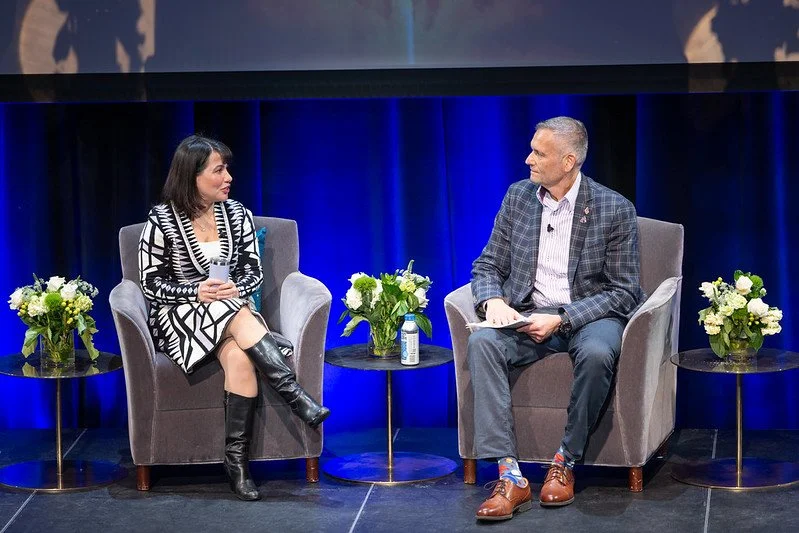
Powering the Lunar Economy: Nuclear Energy, Microgrids, and the Infrastructure of Space
Rima Oueid (DOE) and Ron Faibish (General Atomics) explore how nuclear microreactors, microgrids, and power beaming could enable scalable industrialization of the lunar economy.
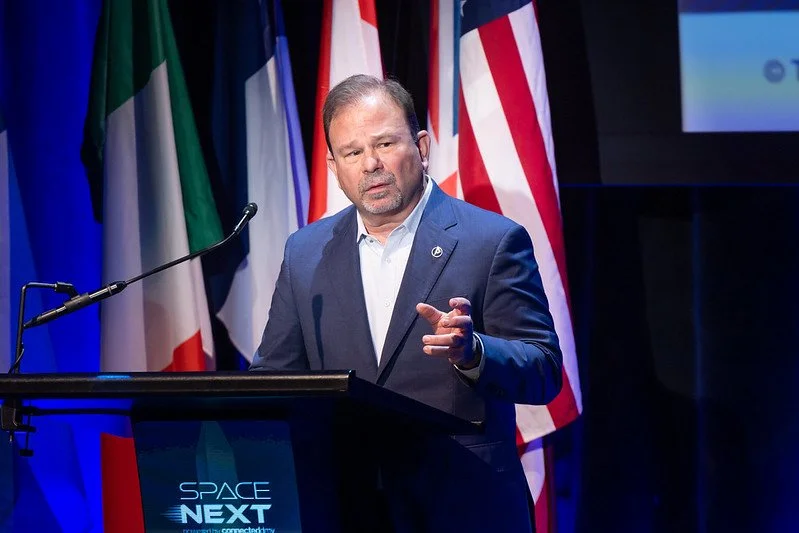
Engineering the Space Ecosystem: Ron Birk Introduces the Lunaverse at SpaceNEXT
Ron Birk, Principal Director of the Space Enterprise Evolution Directorate at The Aerospace Corporation, introduces the Lunaverse — a digital commons and industrial metaverse framework designed to coordinate infrastructure, integrate capabilities, and engineer the next phase of the lunar space ecosystem.

The Decision Economy Powering the Future of Space
Adam Lattimore from the Office of the Deputy Mayor for Planning and Economic Development outlines why Washington, DC — with its capital access, talent density, and proximity to policymakers — sits at the center of the global space decision economy.
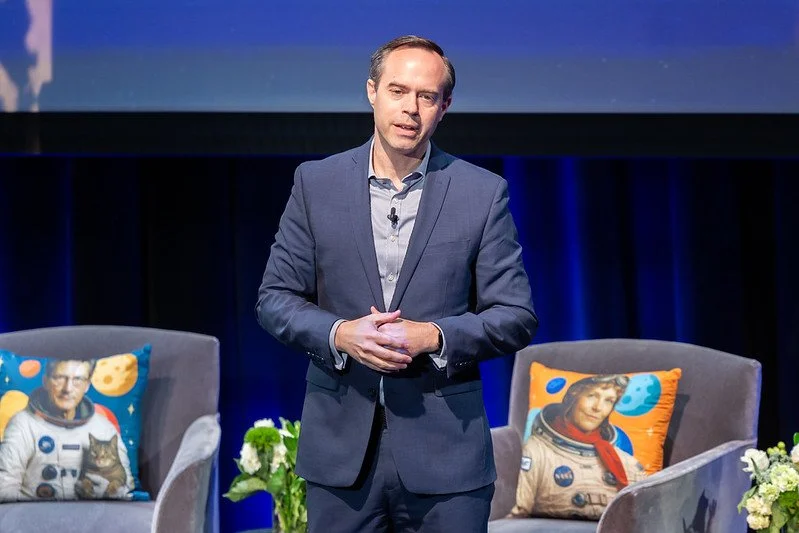
Capital, Security, and Commercial Scale Are Converging in the Space Economy
Preston Dunlap examines how falling launch costs, rising government investment, and frontier capital are converging to build tomorrow’s space enterprise — where security, infrastructure, and commercialization meet.

Fairfax County Signals Its Intent to Lead the New Space Economy
County Supervisor Bryan Hill makes the case at spaceNEXT 2026 that Fairfax County is intentionally aligning talent, infrastructure, and strategy to lead the next phase of the American space economy.
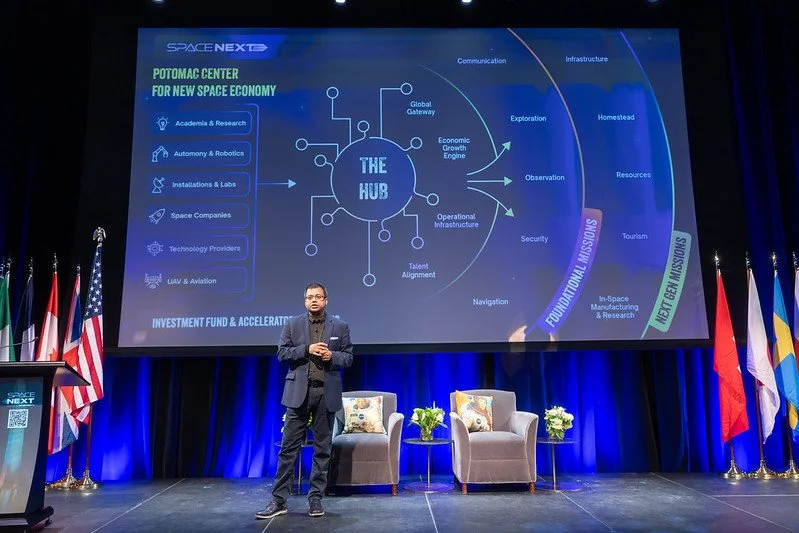
An Introduction to the Potomac Center for the New Space Economy
Connected DMV President & CEO George Thomas unveils a new regional strategy to transform one of the world’s densest concentrations of space assets into a coordinated commercialization engine.
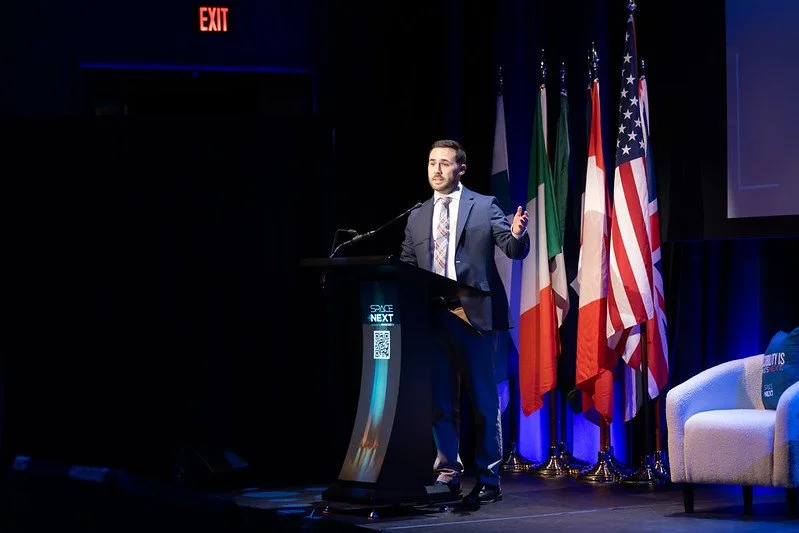
Designing for Permanence: Why the Future of Space Must Be Circular
Kyle Cybul takes the main stage at spaceNEXT 2026 to argue that the future of space operations depends on a circular economic model — one built on servicing, regeneration, and permanence rather than disposal and replacement.
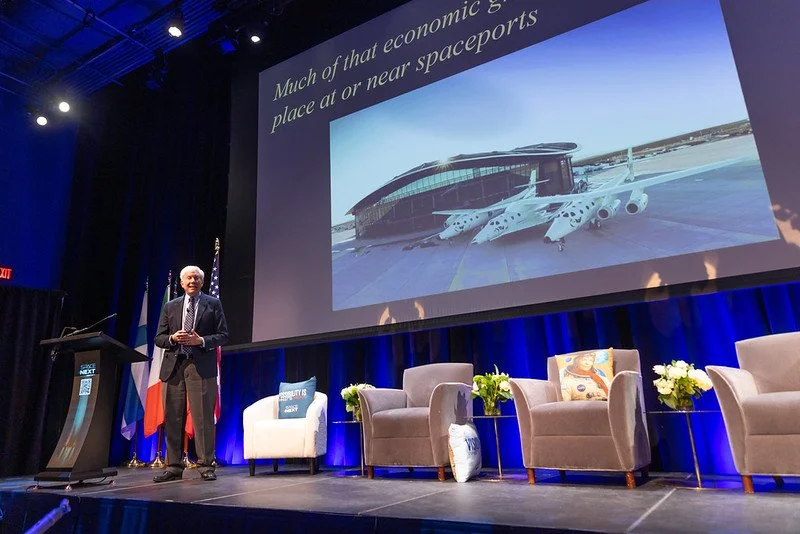
Spaceports as Economic Engines: Unlocking the $1 Trillion Space Economy
George Nield takes the main stage at spaceNEXT 2026 to argue that modern spaceports must evolve beyond launch pads — becoming economic hubs capable of supporting a trillion-dollar global space economy.
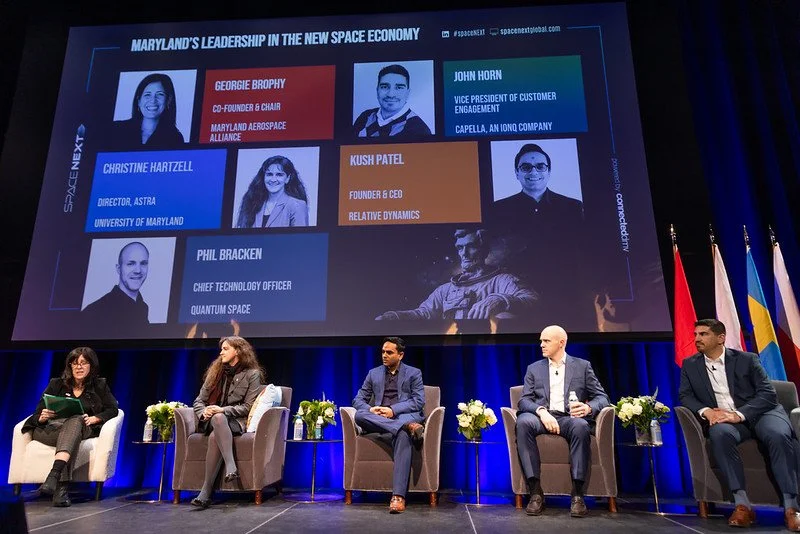
Toward a Scalable Space Economy: Infrastructure, Mobility, and Maryland’s Advantage
A candid conversation at spaceNEXT 2026 explored the infrastructure, mobility, interoperability, and talent systems powering Maryland’s leadership in the new space economy — and what it will take to scale beyond LEO.
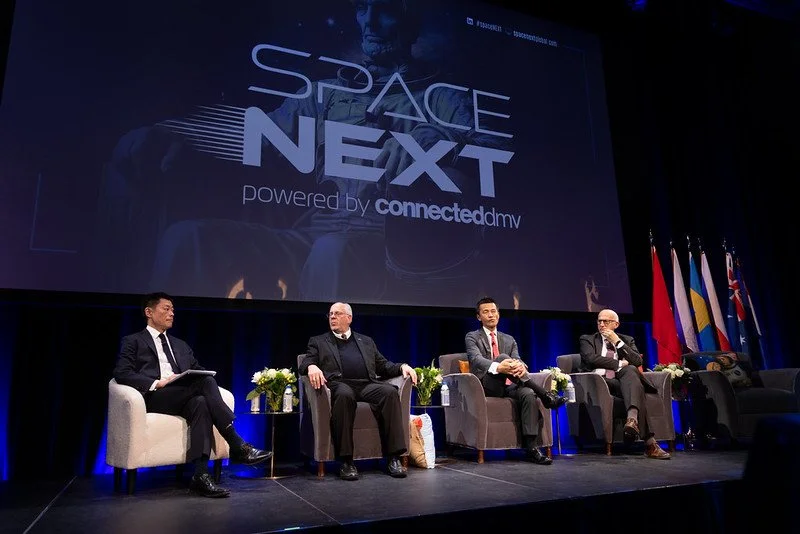
Toward Sustainable Lunar Exploration: Building the Infrastructure for a Lasting Presence Beyond Earth
From Artemis momentum to Moonlight and commercial lunar networks, this session examines how international cooperation—and interoperable systems—can turn lunar exploration into a durable, scalable economy.
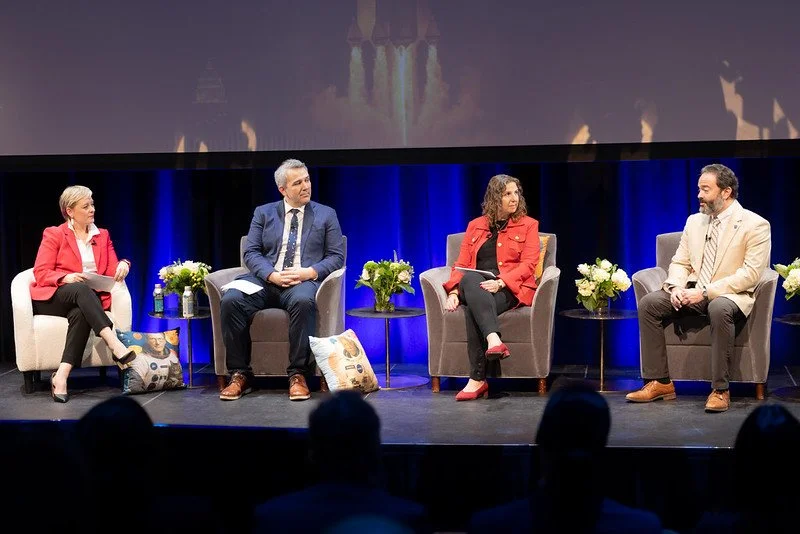
Building the On-Orbit Highways: Logistics, Data, and the Infrastructure Powering the Next Space Economy
Anna Nissinen (Fairfax County EDA), Dave Hebert (Astroscale U.S.), Paula Trimble (Muon Space), and Giovanni Rosanova (NASA Wallops) explored how logistics, low-latency data, and public-private partnerships are building the on-orbit infrastructure powering the next space economy.
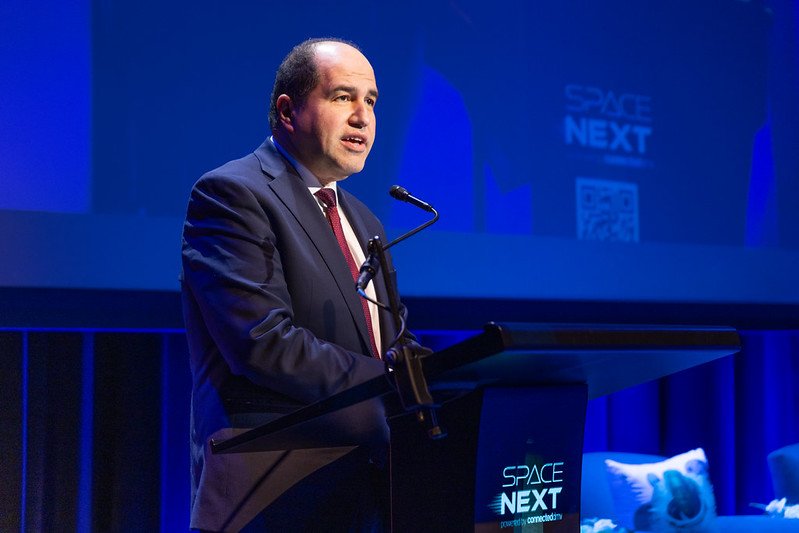
Building the Space Research Ecosystem: Why Institutional Alignment Will Define America’s Next Space Era
USRA’s Elsayed Talaat argues that America’s space leadership depends not on episodic missions, but on a durable research ecosystem built on federal investment, university depth, regulatory clarity, and sustained institutional alignment.
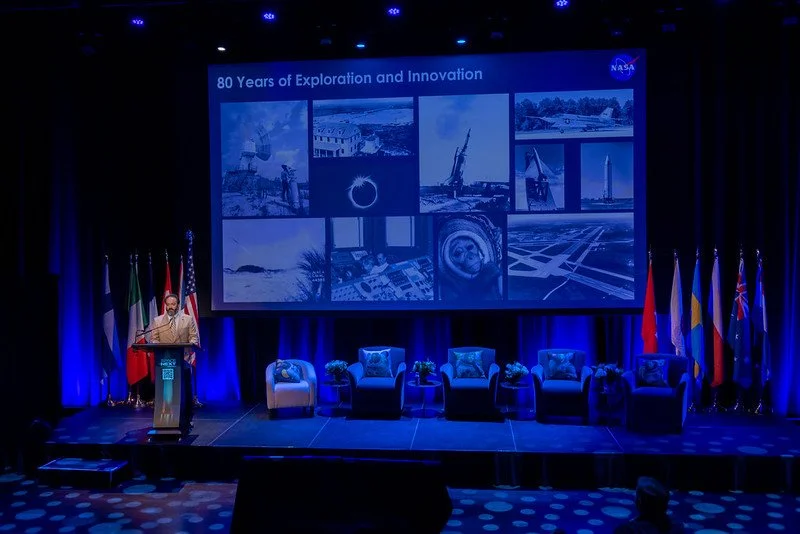
NASA Wallops and the Mid-Atlantic Spaceport: Powering the Next Phase of America’s Launch Economy
Giovanni Rosanova, Jr. outlines how NASA’s Wallops Flight Facility and the Mid-Atlantic Regional Spaceport are scaling commercial launch, hypersonics testing, and cis-lunar capability from Virginia’s Eastern Shore.
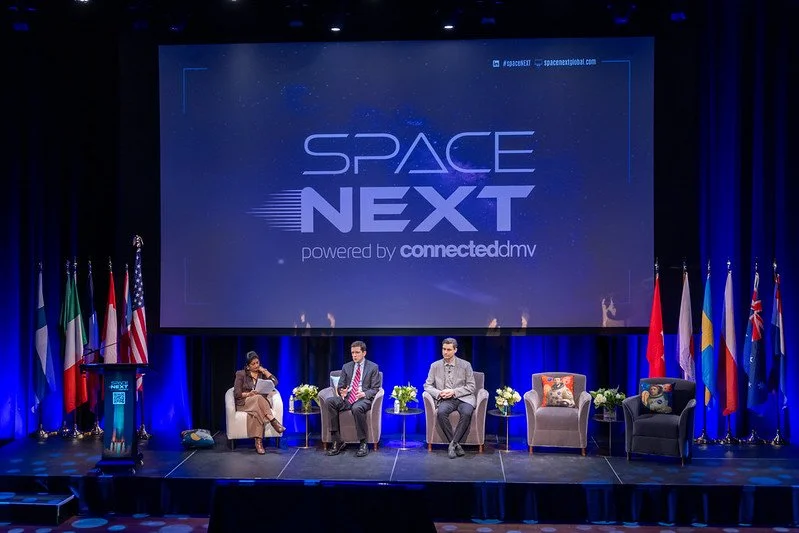
Who Owns the Moon? Lawyers, Investors, and the Rules Shaping the Commercial Space Economy
Pallabi Saboo, Paul Stimers, and Ryan Kelley unpacked property rights, regulatory bottlenecks, investor risk, and the evolving legal frameworks shaping the commercial space economy at spaceNEXT 2026.
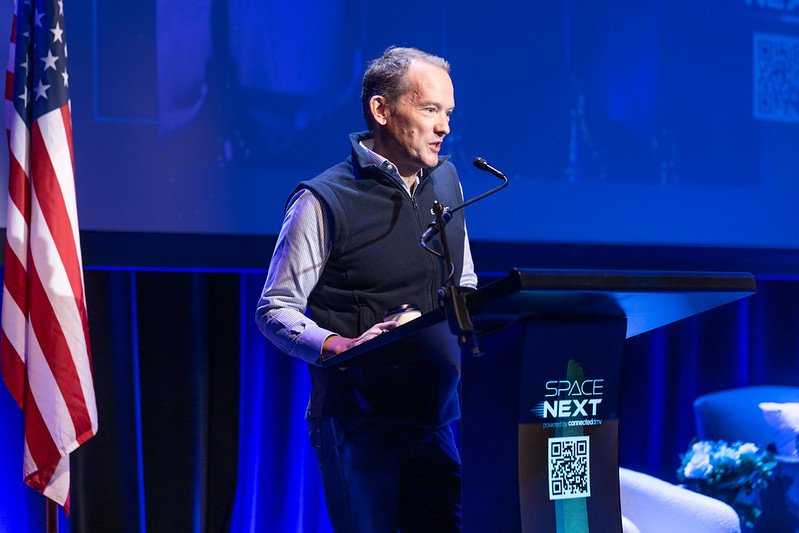
Capital, Commerce, and the Case for Space as a Serious Asset Class
E2MC’s Raphael Roettgen outlines what it will take to transform space from a niche sector into a broadly investable, significant global asset class.
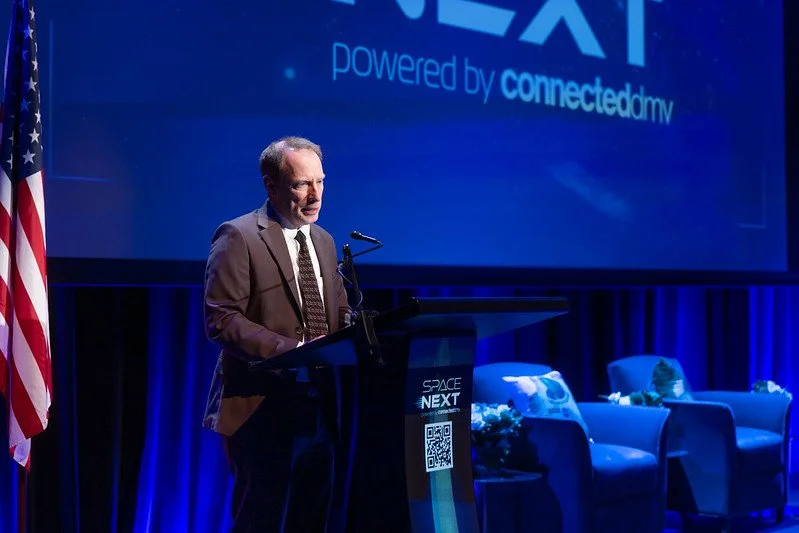
Ensuring American Space Superiority: A Four-Pillar Strategy for Exploration, Security, and Commercial Growth
At spaceNEXT 2026, the White House Office of Science & Technology Policy details a bold framework to secure U.S. leadership in space for the next century.
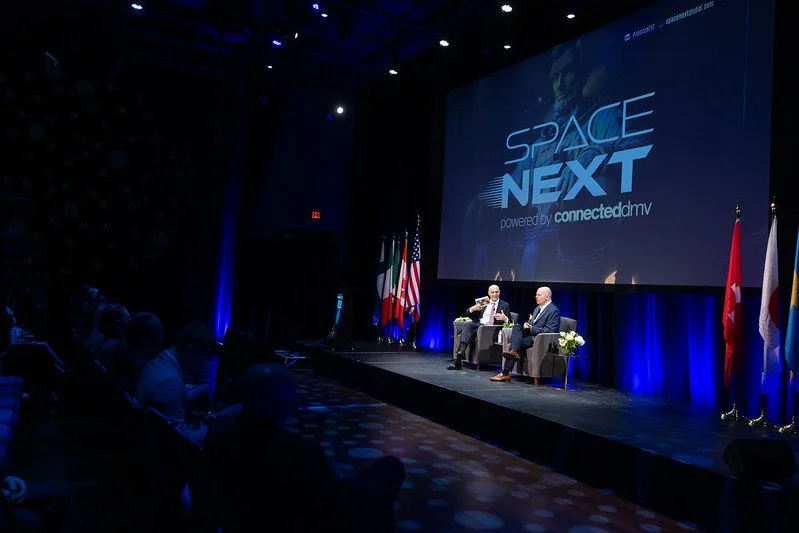
From Orbit to Opportunity: How Fairfax County and a Former NASA Astronaut See the Space Economy Taking Root on Earth
From launch risk to laser communications, this main stage conversation with Victor Hoskins and Paul Richards reveals what it takes to build the space economy — and why the opportunity starts here.
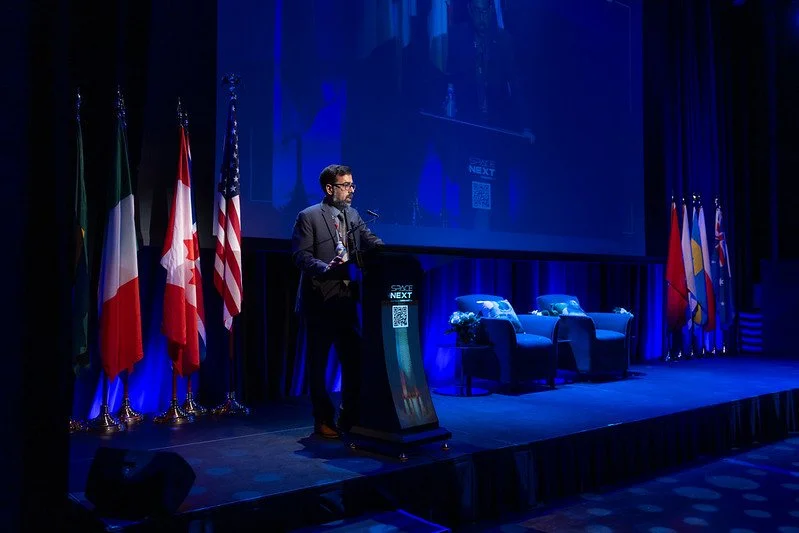
NASA’s Artemis Moment: Building the Infrastructure for the Next Space Economy
As Artemis II systems were being tested at Kennedy Space Center, NASA Associate Administrator Amit Kshatriya told spaceNEXT why Artemis is more than a mission — it’s the infrastructure that will enable the next era of commercial and allied space exploration.
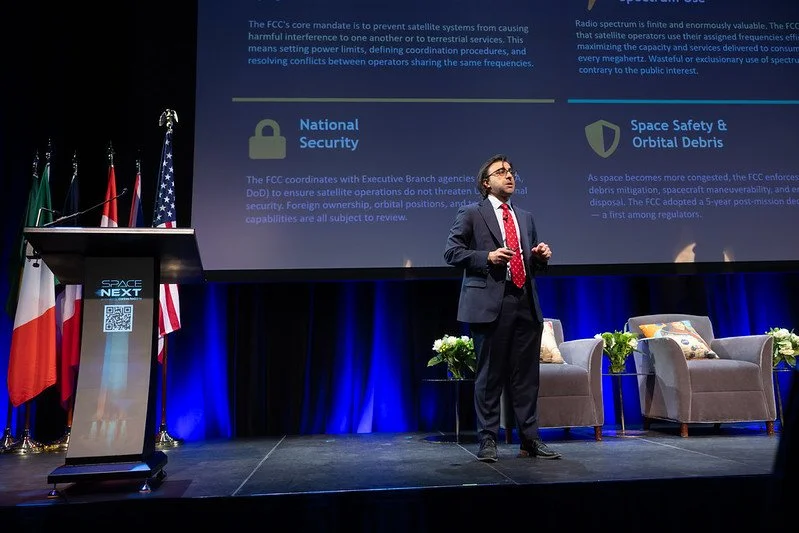
The Rules That Power Orbit: Arpan Sura Outlines the FCC’s Space Modernization Agenda
Arpan Sura of the FCC outlined a sweeping modernization of U.S. satellite licensing — from clearing backlogs to unlocking 20,000 MHz of new spectrum — arguing that regulatory efficiency is now a strategic advantage in the global space race.
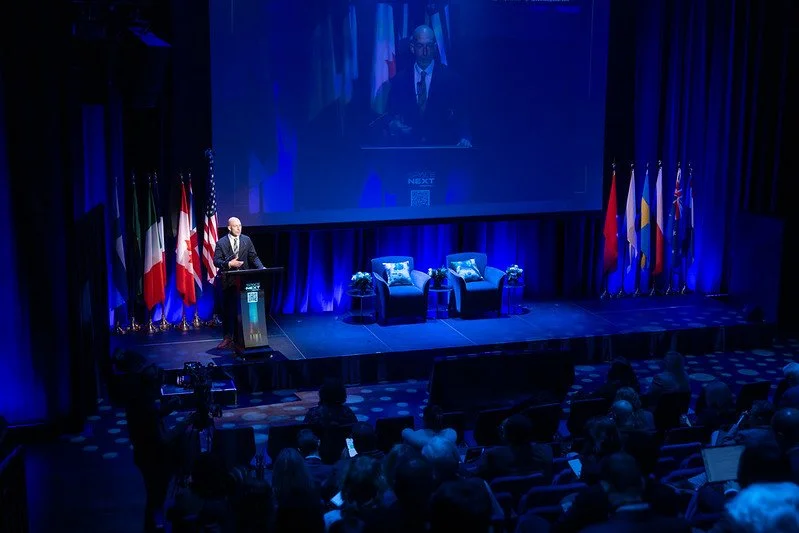
Clearing the Path to Orbit: How the U.S. Plans to Unlock the Next Era of Commercial Space
Gabriel Swiney of the U.S. Office of Space Commerce outlined a proposed light-touch certification framework to close America’s “mission authorization” gap — a critical step toward unlocking next-generation commercial space activities and sustaining U.S. leadership in the new space economy.