
What’s next is already in play
Follow the ideas, announcements, partnerships, and people shaping the new space economy. From spaceNEXT program updates to industry perspectives and major developments across the sector, this is where we track what’s moving the field forward.

Home Field
Admit one · 2027
WashingtonNationals Park
1500 South Capitol St SE · Washington, DC 20003
The Game Begins In
50 articles found
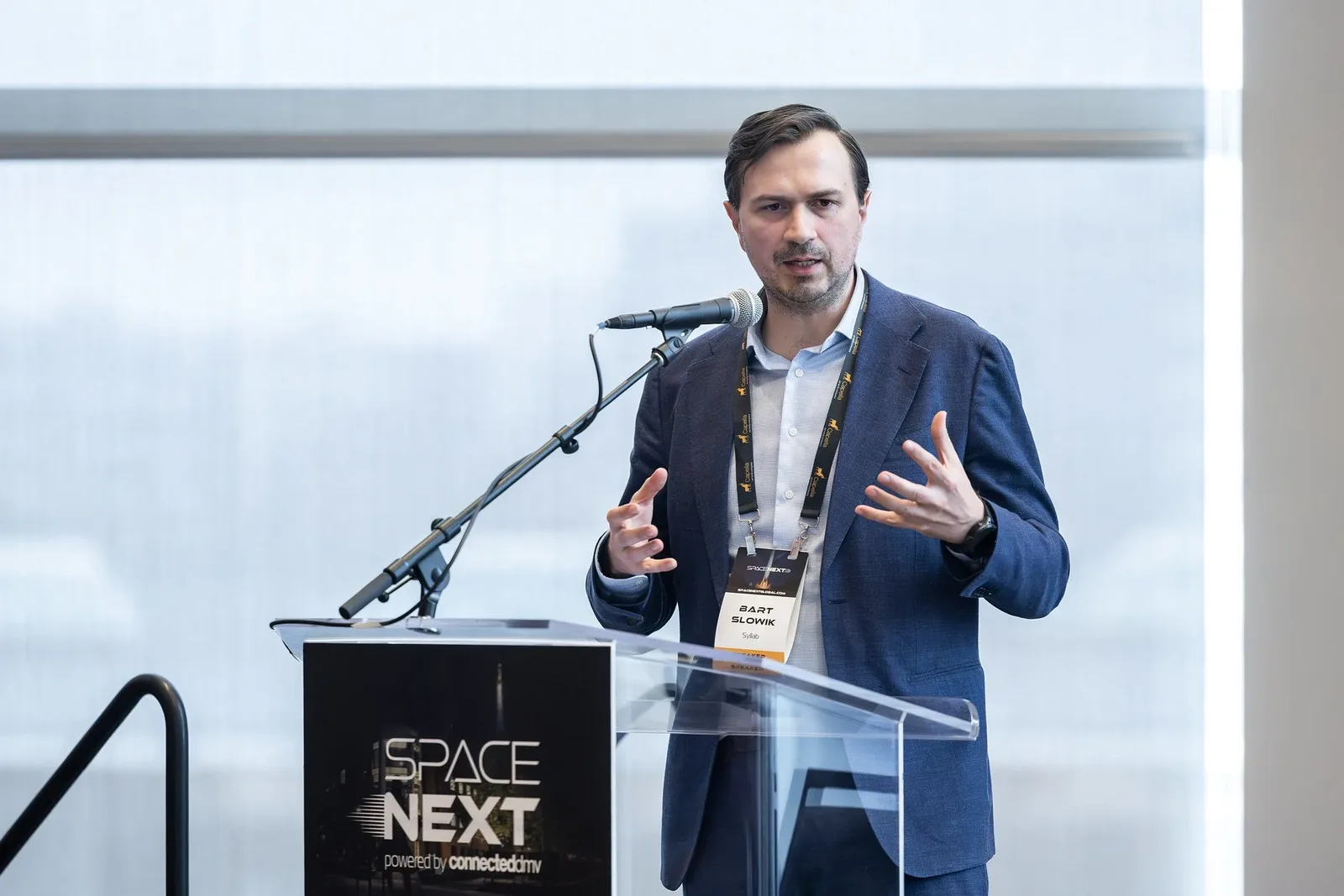
AI at the Edge: The Future of Autonomous Space Missions
As satellites become more autonomous, deploying AI and machine learning directly in orbit could transform space missions. But ensuring those systems are secure, resilient, and quantum-ready will require new testing frameworks before they ever launch.
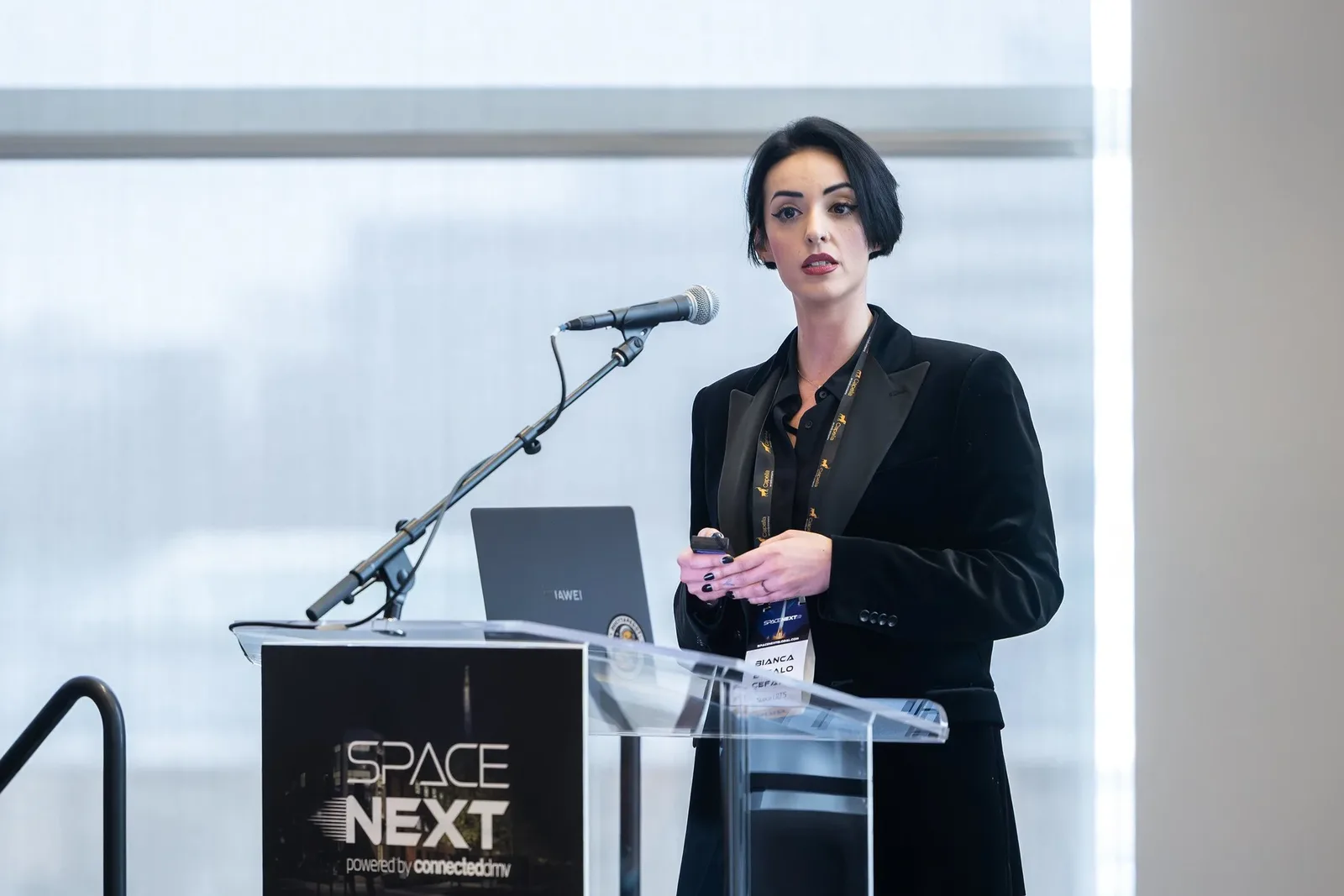
The Hidden Threats in Space—And the Need for Orbital Environmental Intelligence
As space becomes more congested and contested, hidden environmental and electronic threats are emerging as major risks for satellites and national security assets. Bianca Cefalo of Space DOTS argues that better “orbital environmental intelligence” will be essential for resilience in the new space economy.
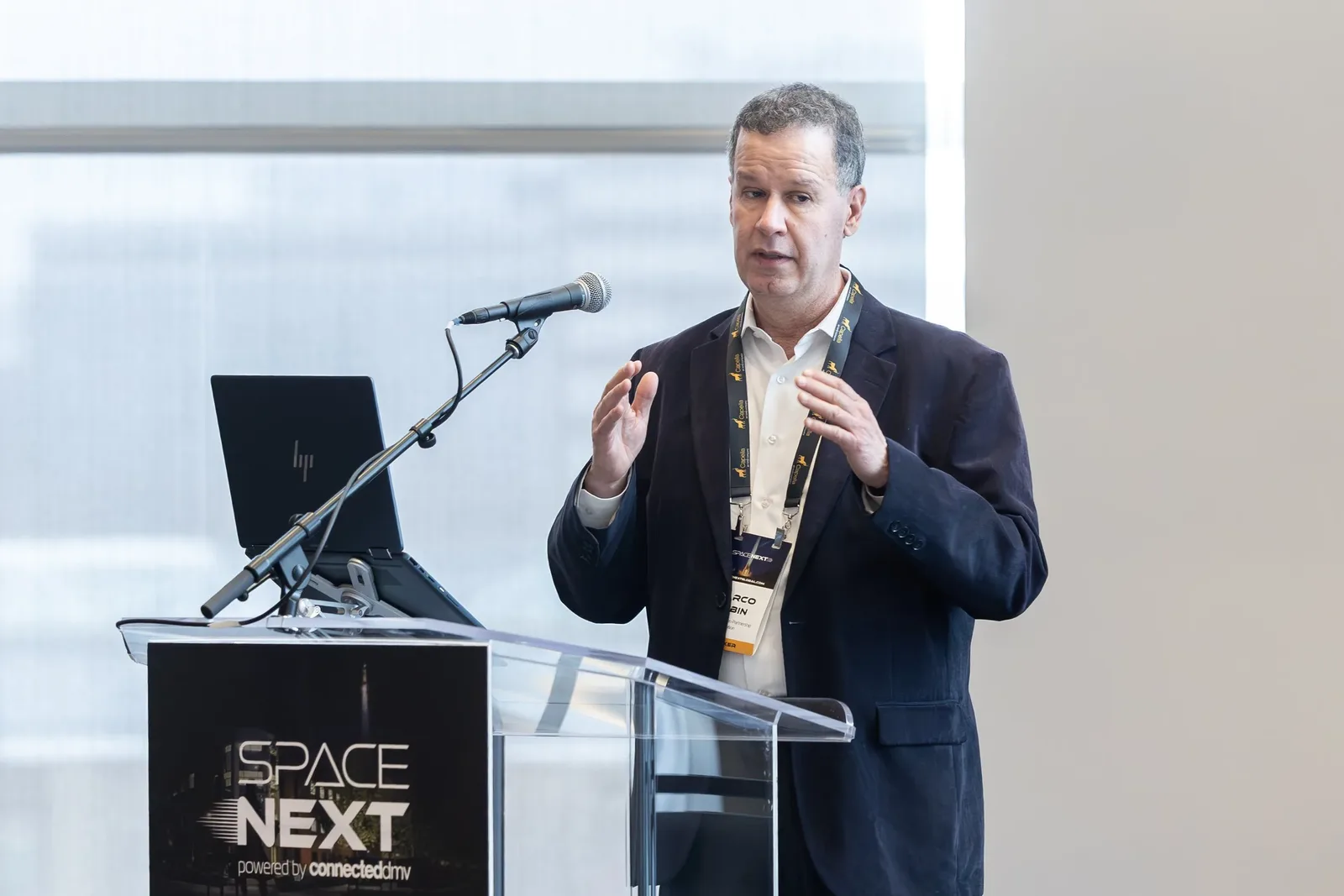
Managing Chaos in the New Space Economy
In a provocative keynote at spaceNEXT, Marco Rubin (Virginia Innovation Partnership Corporation) argues that the greatest risk in the new space economy isn’t chaos—it’s unchecked certainty. True progress, he says, comes from disciplined institutions that can read uncertainty, encourage dissent, and adapt under pressure.
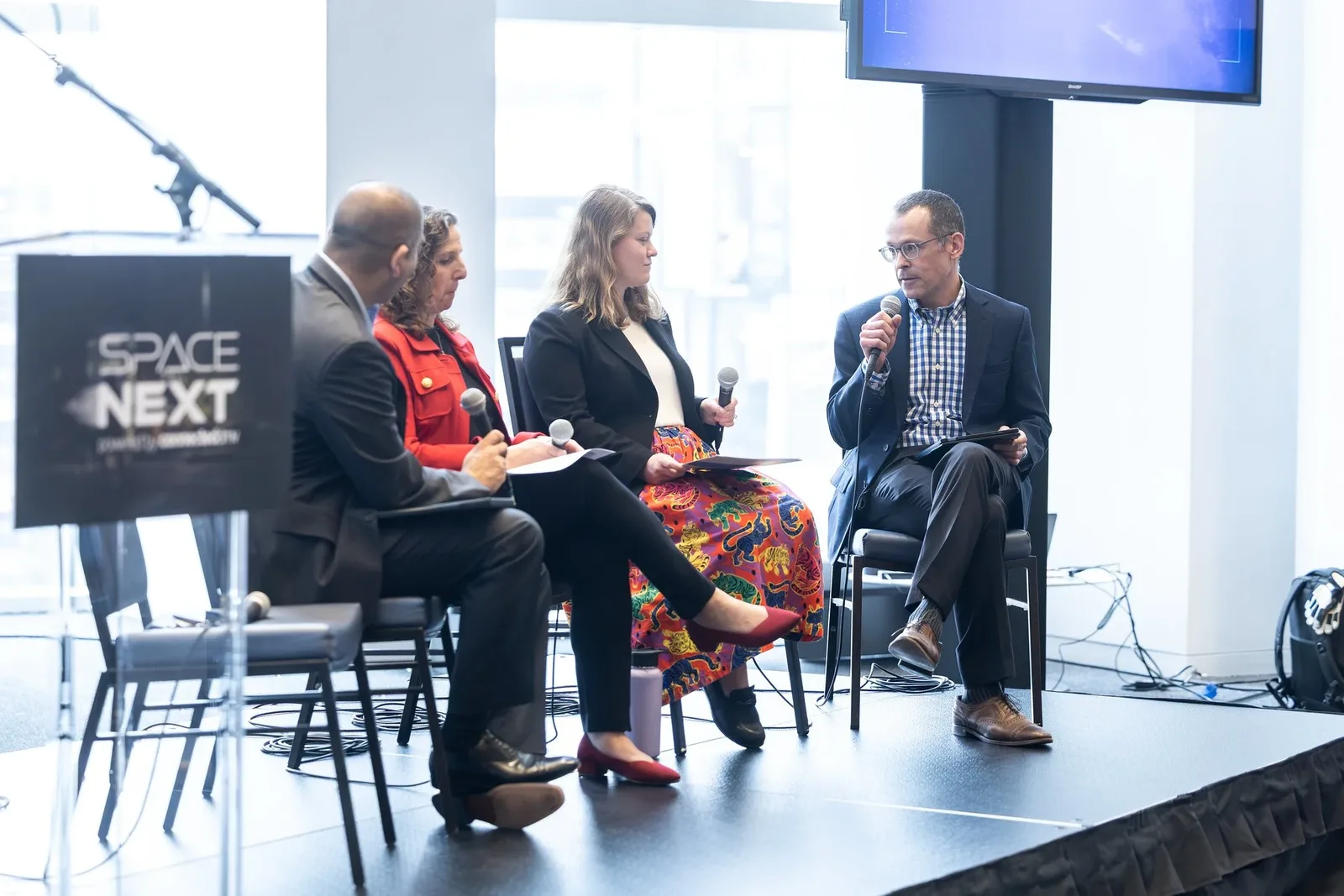
Space Policy in 2026: Competition, Commercialization, and the Race to Regulate a Growing Space Economy
Policy experts from CSIS, the Progressive Policy Institute, Muon Space, and the National Security Institute examine what to watch in 2026—from Artemis and commercial space stations to regulatory reform, acquisition speed, and growing competition with China.
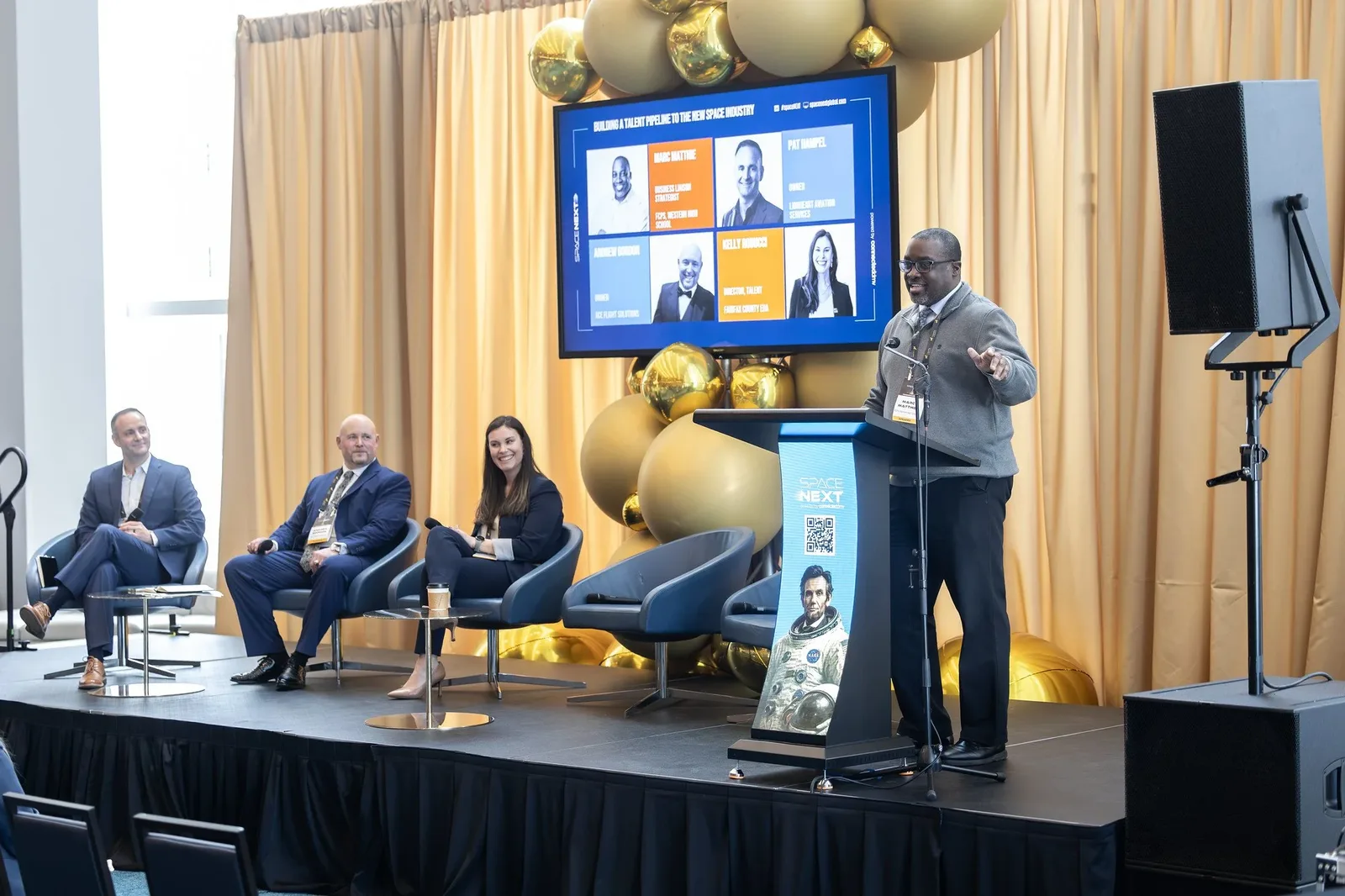
Building A Talent Pipeline to the New Space Economy
The future space workforce is being built today—starting in classrooms. Leaders from education, aviation, and economic development discussed how early industry partnerships, hands-on learning, and new credential pathways can create a talent pipeline for the rapidly growing space economy.
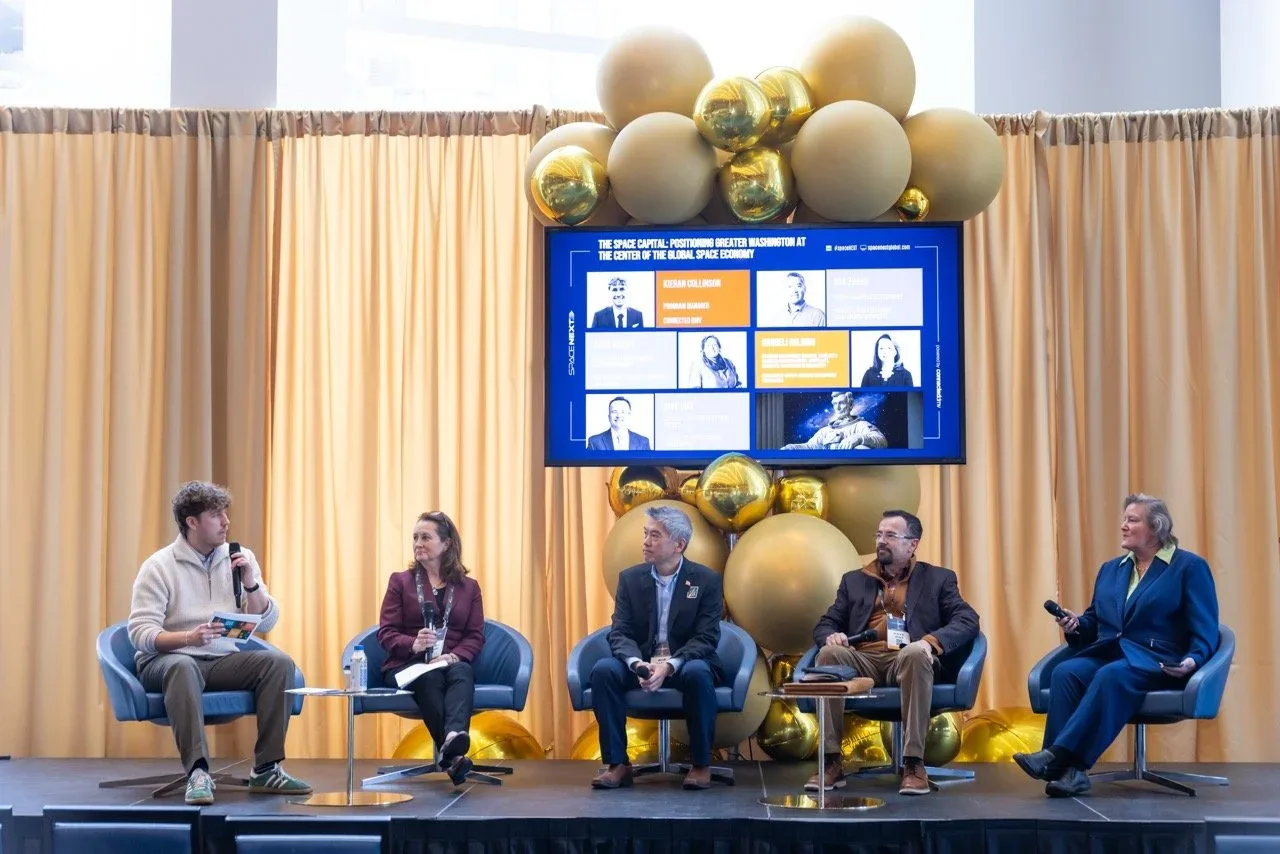
Greater Washington Stakes Its Claim as a Global Space Hub
Greater Washington’s economic development leaders say the region’s federal labs, world-class universities, data infrastructure, and collaborative ecosystem position it to become a global hub for space technology and innovation.
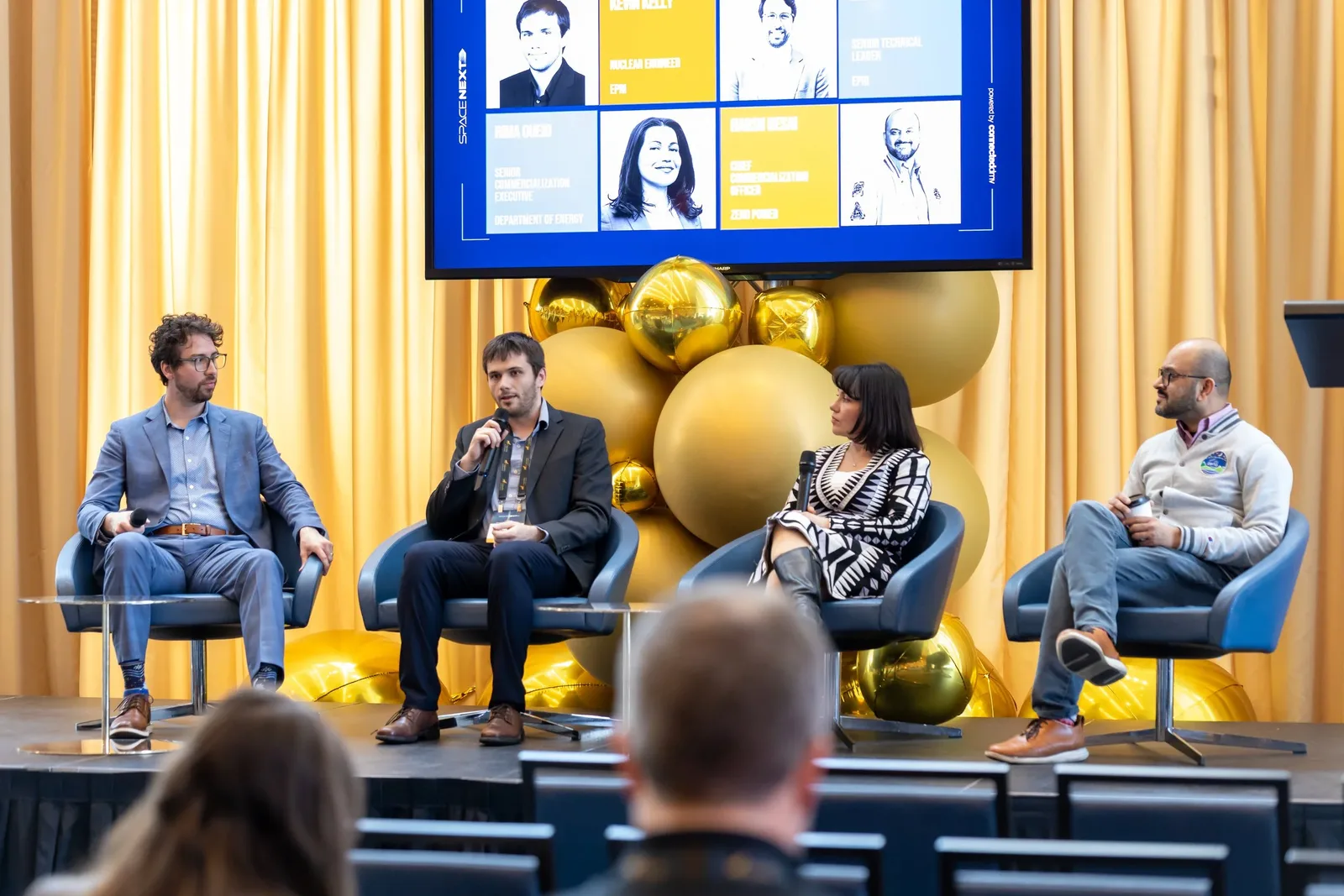
Powering the Space Economy: Experts Call for Nuclear Innovation, Lunar Resources, and Massive Energy Infrastructure
Energy experts from EPRI, the Department of Energy, and Zeno Power say the future space economy—from lunar mining to orbital data centers—will depend on scalable power systems, nuclear innovation, and major infrastructure investments on Earth.
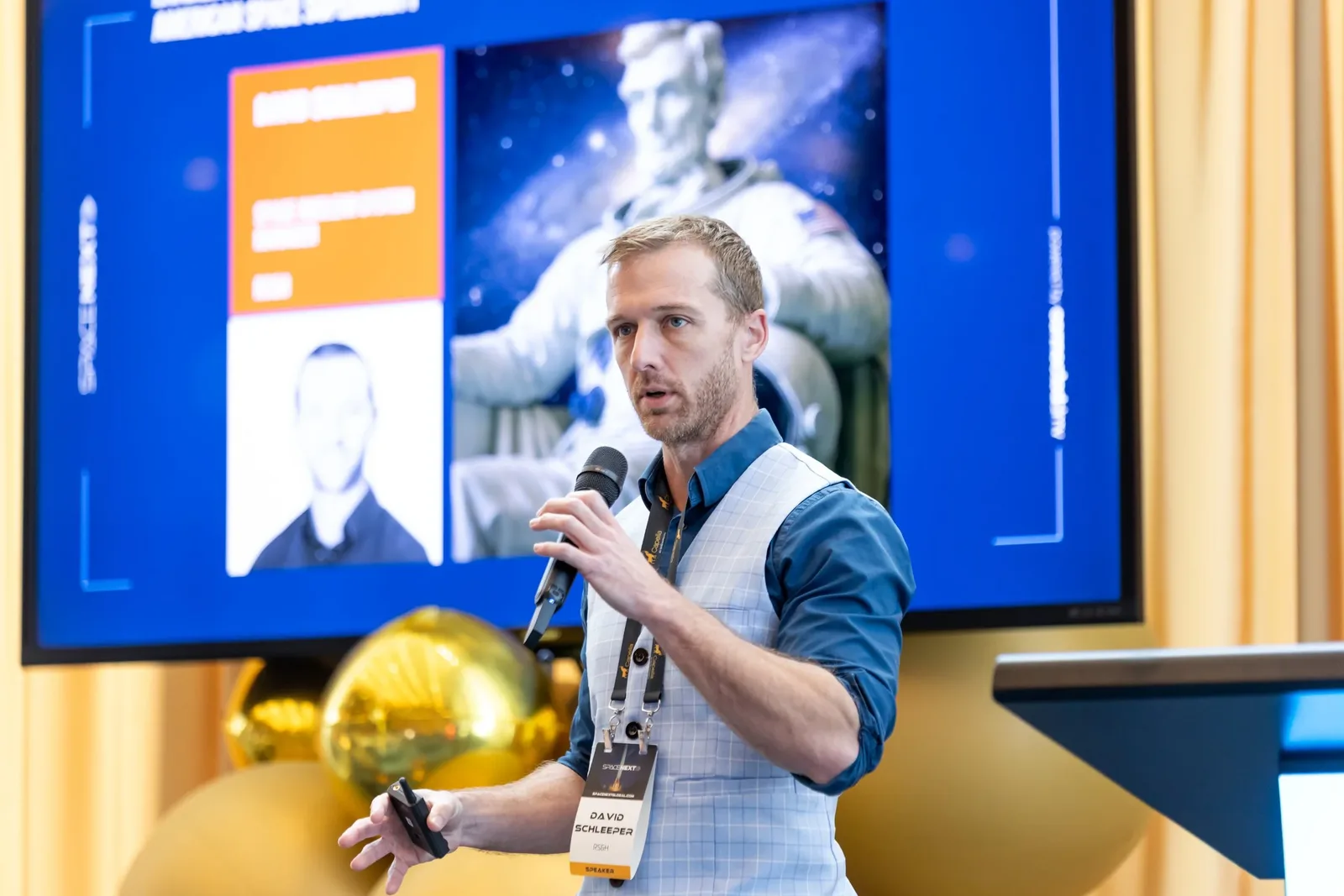
Nuclear Power in Space Faces Infrastructure Bottlenecks, Industry Warns
Nuclear power could enable sustained lunar operations, faster deep-space travel, and resilient orbital infrastructure—but experts warn the U.S. lacks the testing facilities, regulations, and spaceport infrastructure needed to support upcoming missions.
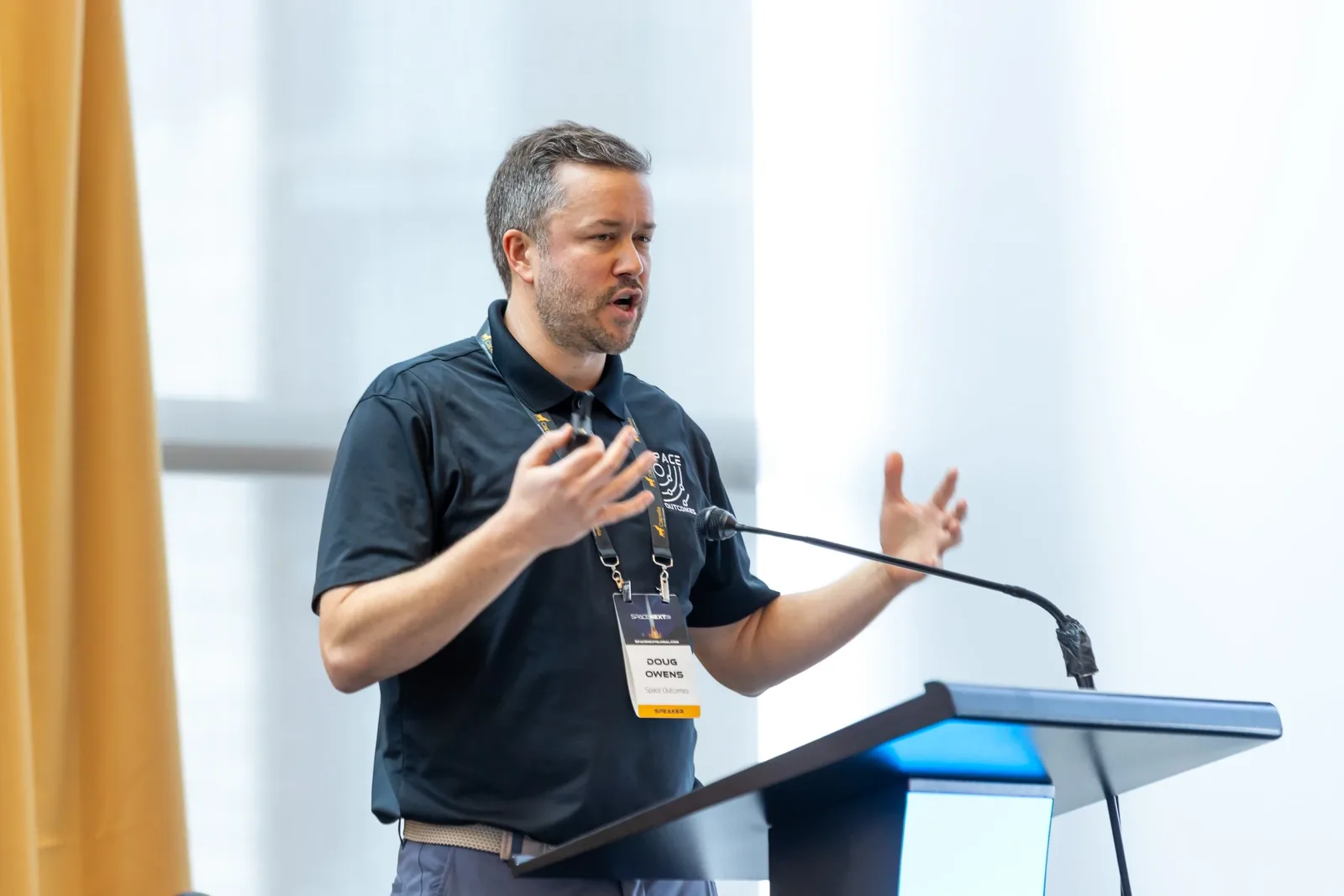
The Space Black Swan: Preparing for Disruption in the Space Economy
Doug Owens of Space Outcomes explores how unpredictable “black swan” events—from Starlink’s role in Ukraine to future breakthroughs in rocket cargo, space medicine, and space-based solar power—could reshape the global space economy.
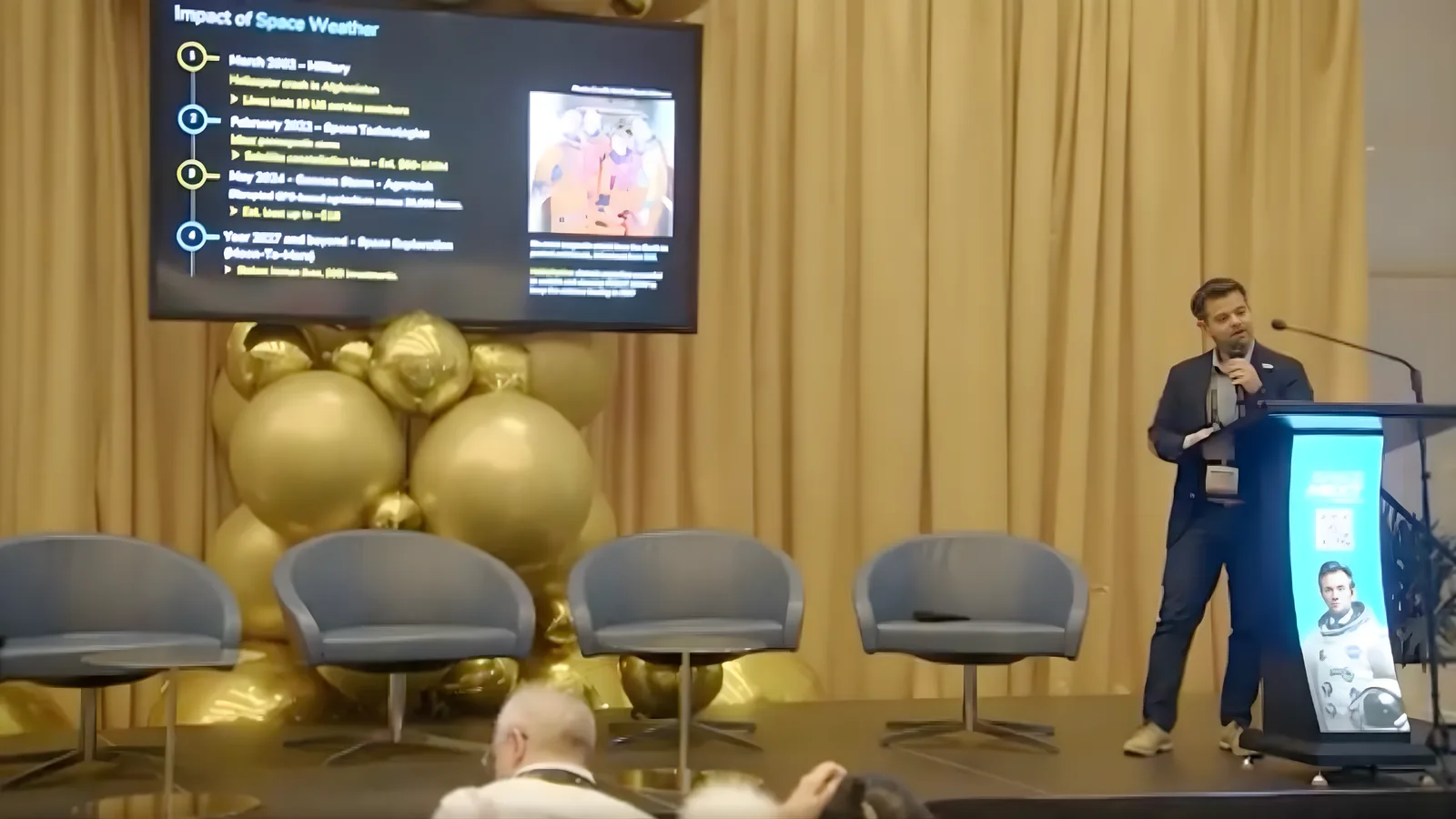
HelioArc Foundation Launches Mission to Protect the Future of Space Infrastructure
At spaceNEXT 2026, HelioArc Foundation President Raphael Attie introduced a new nonprofit focused on strengthening heliophysics research and protecting space infrastructure from growing space weather risks.
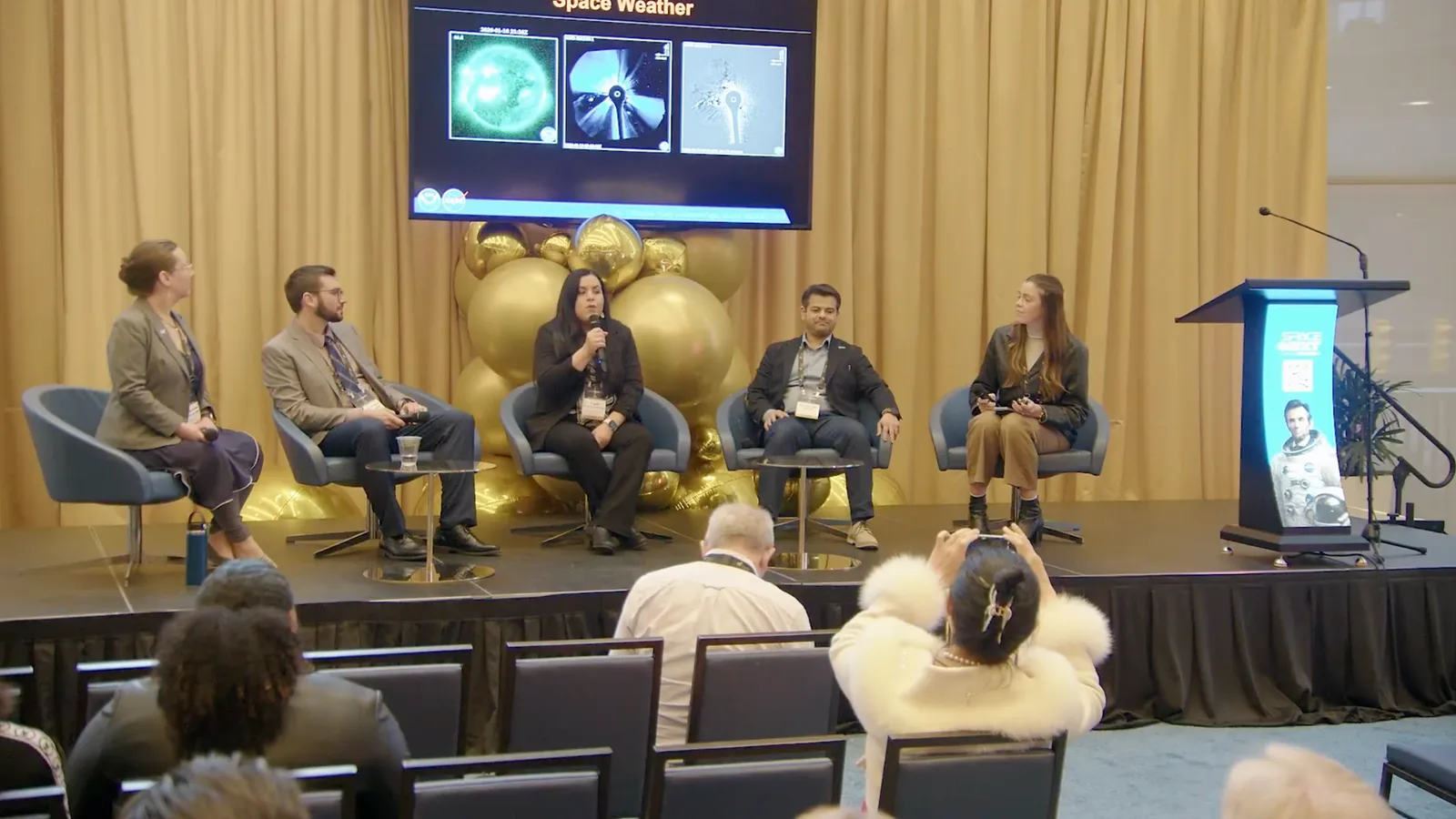
Critical Infrastructure in Space: Preparing for the Risks of Space Weather
Experts from NASA, NOAA, and industry discuss how solar storms and space weather threaten satellites, communications, and future Moon-to-Mars missions—and what collaboration is needed to protect critical space infrastructure.
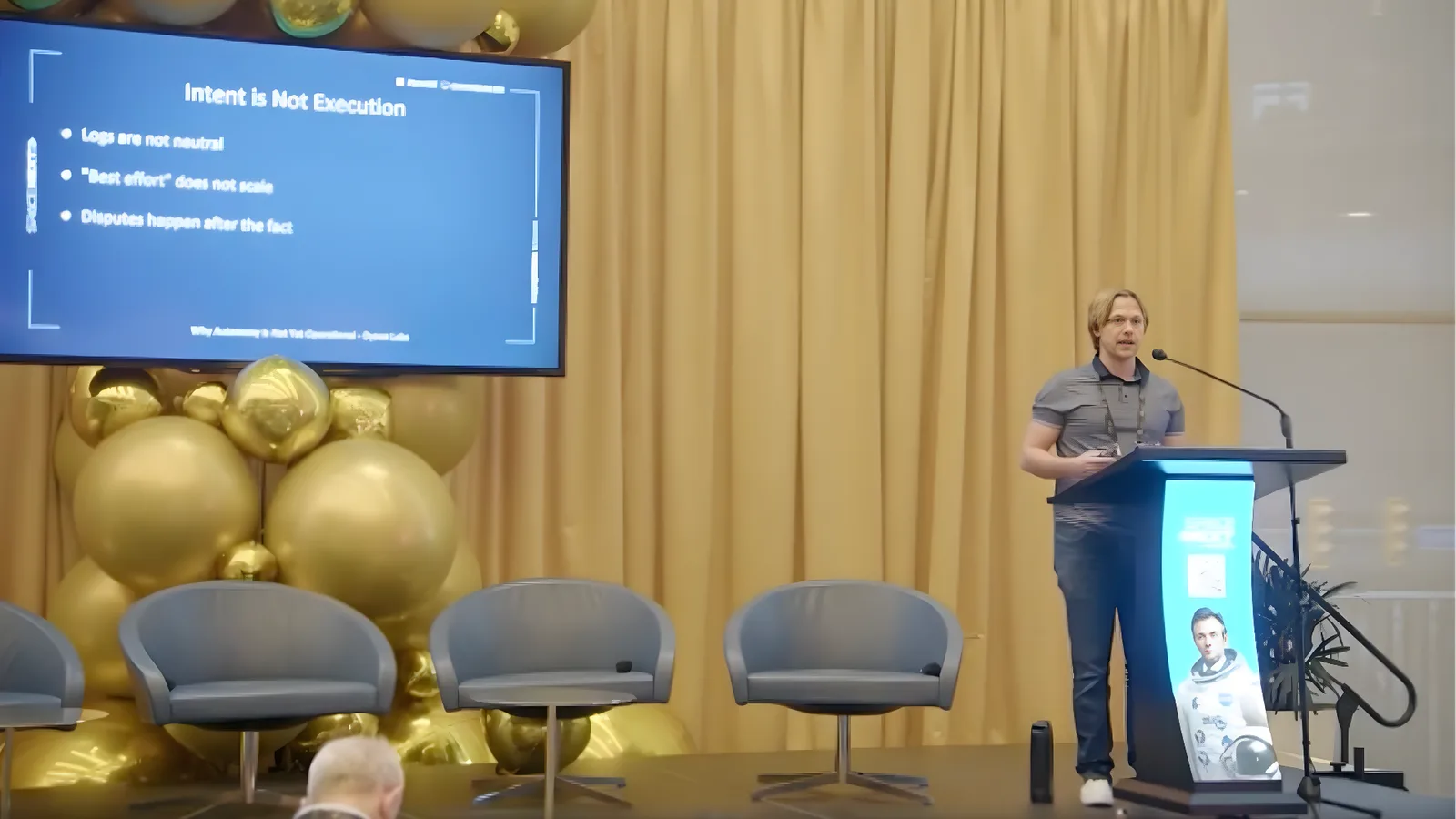
Compute and Settlement: Making Autonomy Operational In Space
Dyson Labs CEO Calvin England explains why the future of autonomous space operations depends on a new settlement layer—one that can verify work, enforce agreements, and trigger payments automatically as satellites, AI systems, and orbital infrastructure scale.
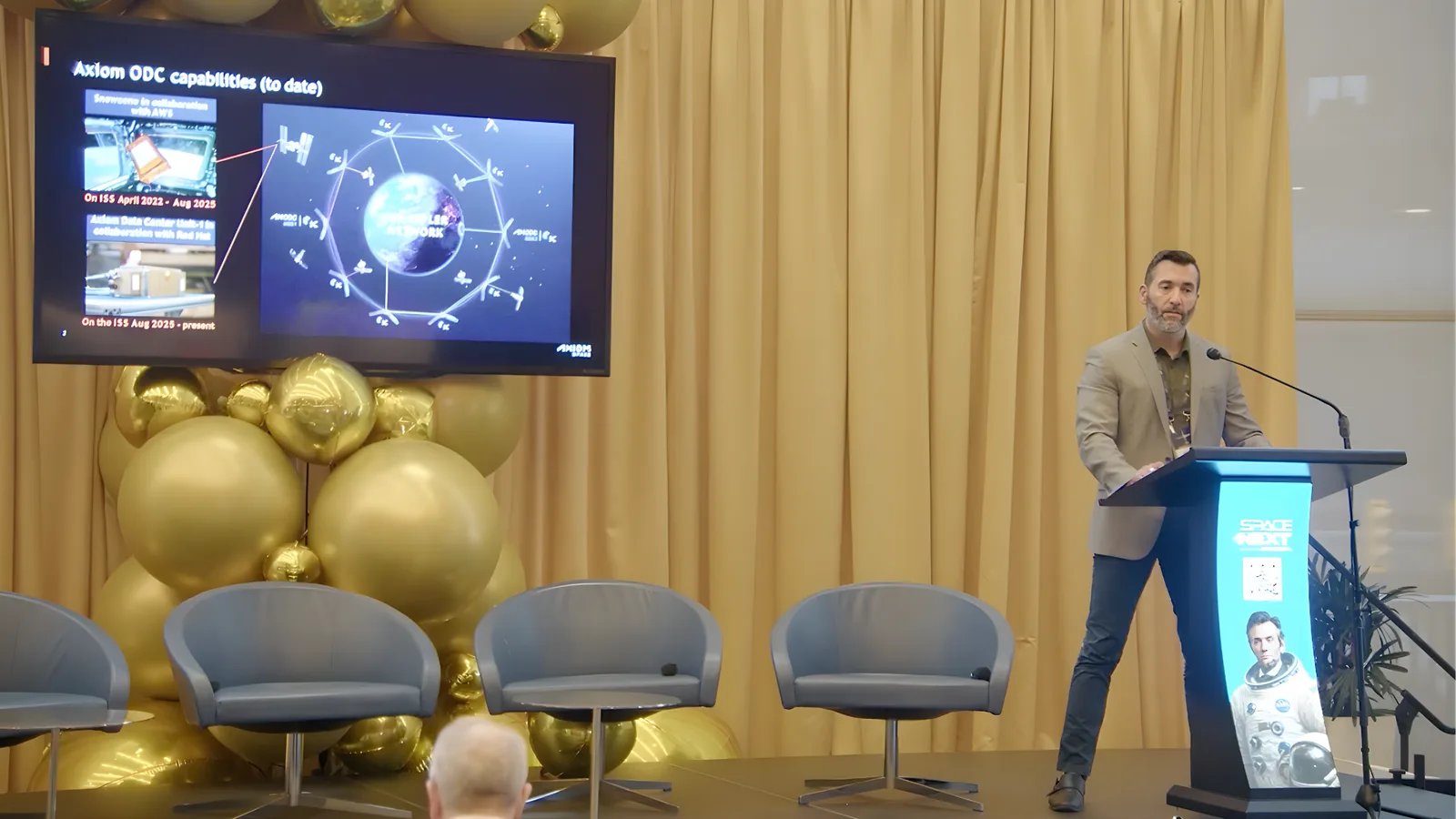
A Pragmatic Path Toward Orbital Data Centers
At spaceNEXT 2026, Jason Aspiotis of Axiom Space presented a compelling vision for how computing infrastructure could move beyond Earth—and why the biggest challenge isn’t technological, but economic.
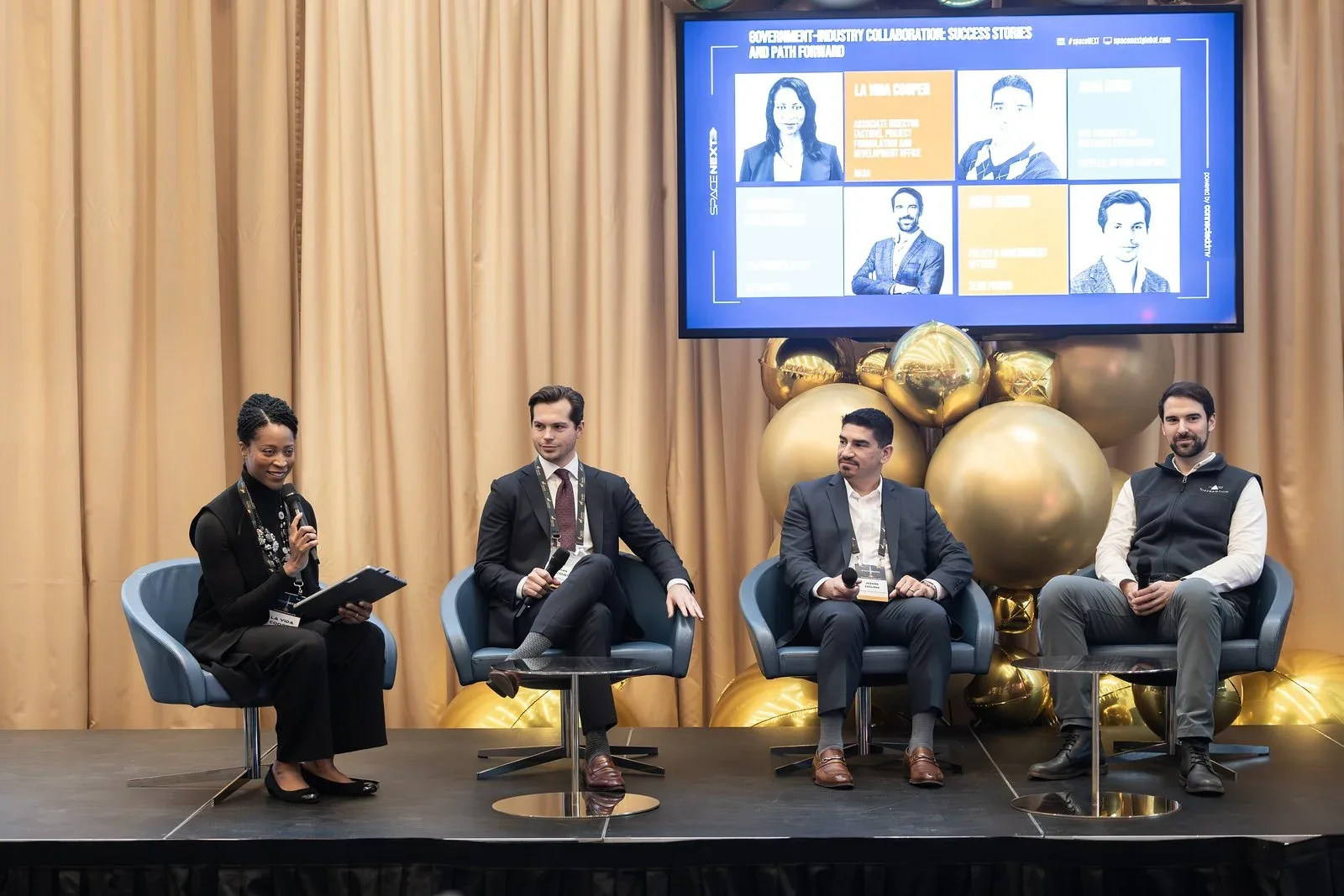
Government-Industry Collaboration
Leaders from NASA, Capella (an IonQ company), Diffraqtion, and Zeno Power share real-world lessons on how government partnerships are accelerating space commercialization—from early research funding to deploying new technologies in orbit and beyond.
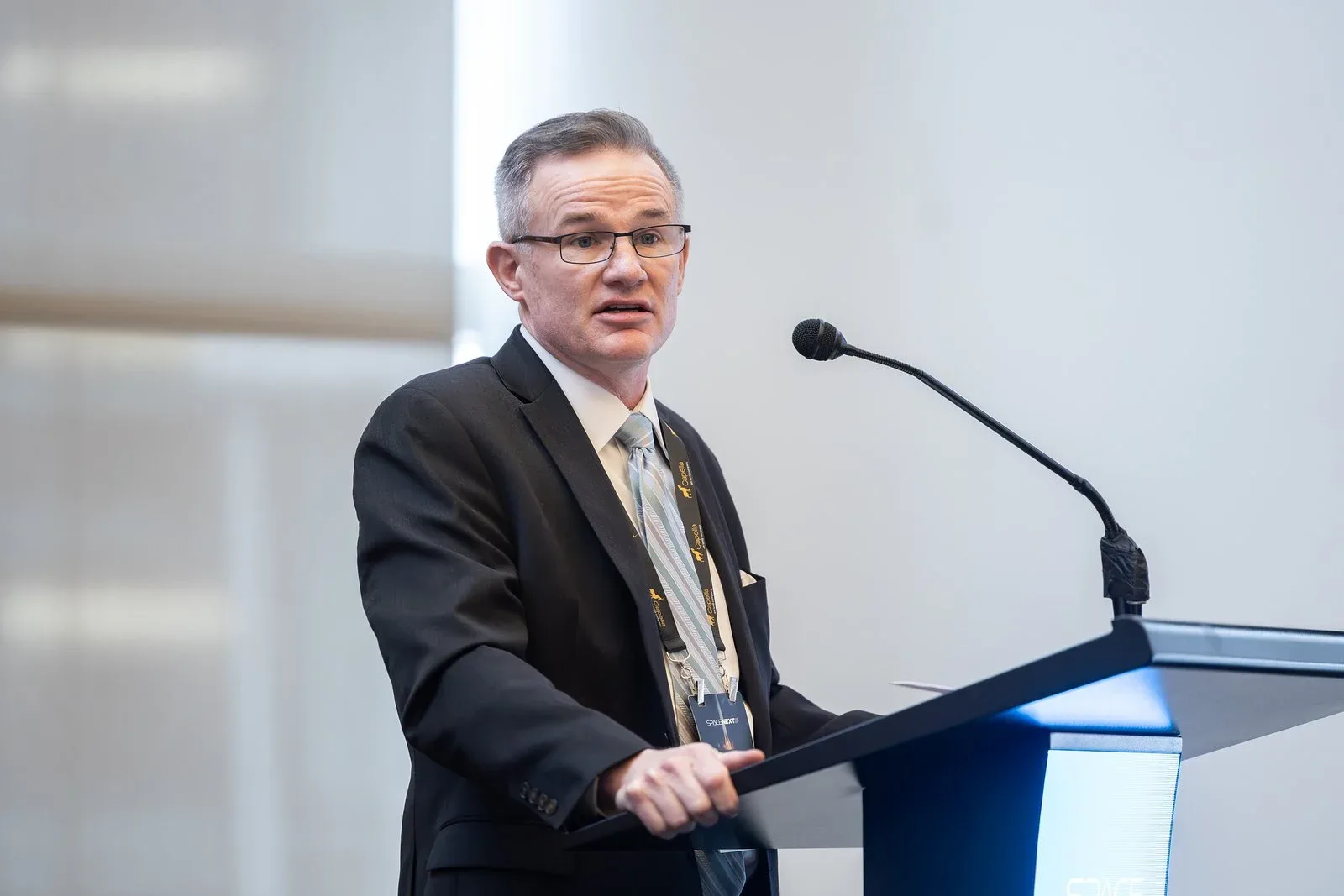
Space as an Economic Engine: Why Greater Washington is Positioned to Lead
At spaceNEXT 2026, MITRE’s Kevin Toner explored how space-enabled technologies drive economic growth—and why the Washington, D.C., Maryland, and Virginia region is uniquely positioned at the intersection of policy, innovation, and the expanding global space economy.
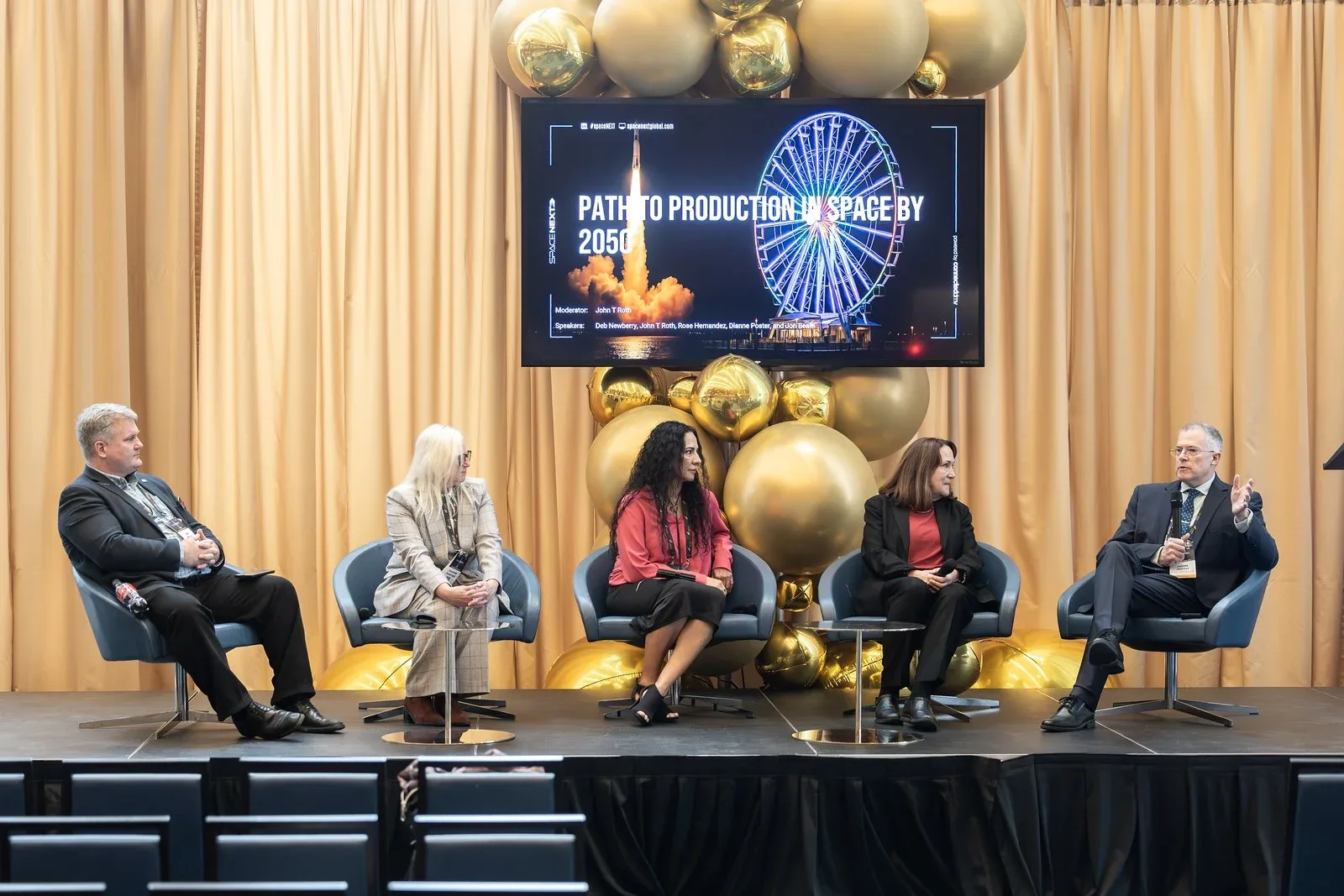
From Demonstrations to Durable Markets: What Manufacturing in Space Needs Next
A spaceNEXT 2026 panel explored what it will take to scale manufacturing beyond Earth: standards and interoperability, verification and validation, the post-ISS shift to multi-platform operations, and emerging business models that could make in-space production commercially repeatable.
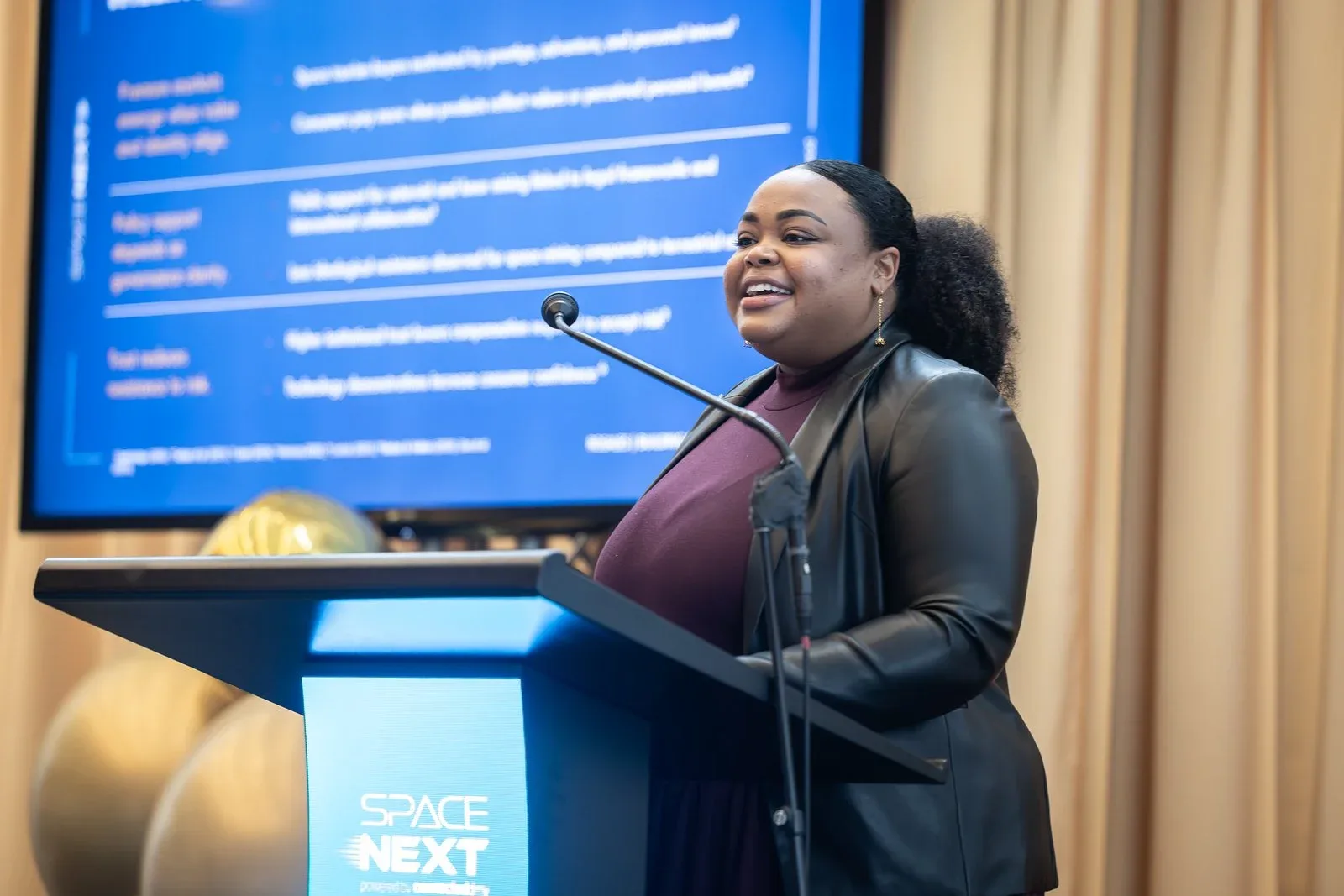
What it Takes to Build a Space Economy
At spaceNEXT 2026, Danielle Rosales of Space Tango explored how trust, public engagement, and risk perception shape the future of the space economy—especially as microgravity research begins to scale into real-world industries like healthcare and advanced manufacturing.
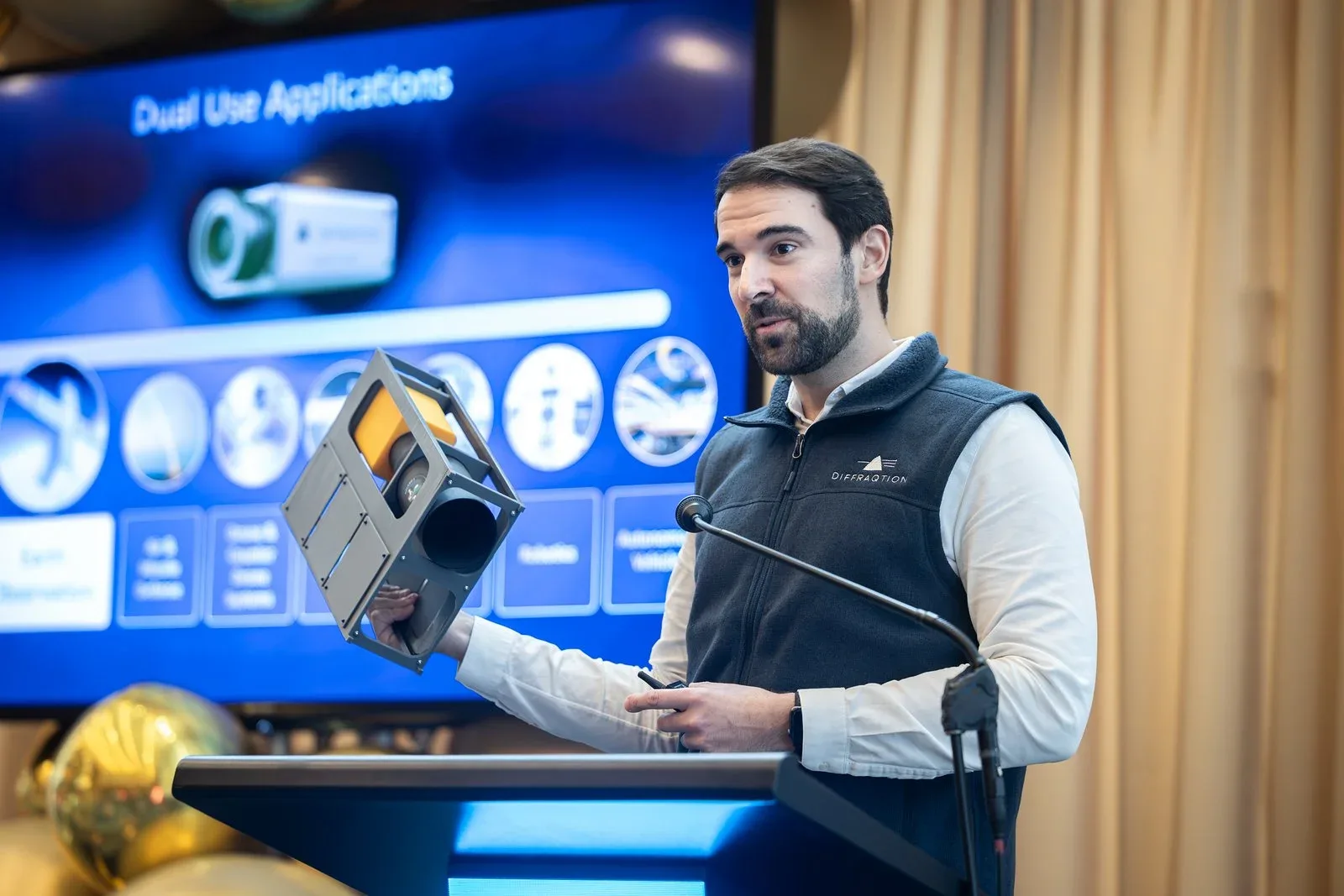
Future of Earth Observation: From Images to Intelligence
At spaceNEXT 2026, Johannes Galatsanos of Diffraqtion explored how new sensing technologies, AI, and on-orbit computing are transforming Earth observation from static imagery into real-time Earth intelligence that supports faster decision-making across industries.
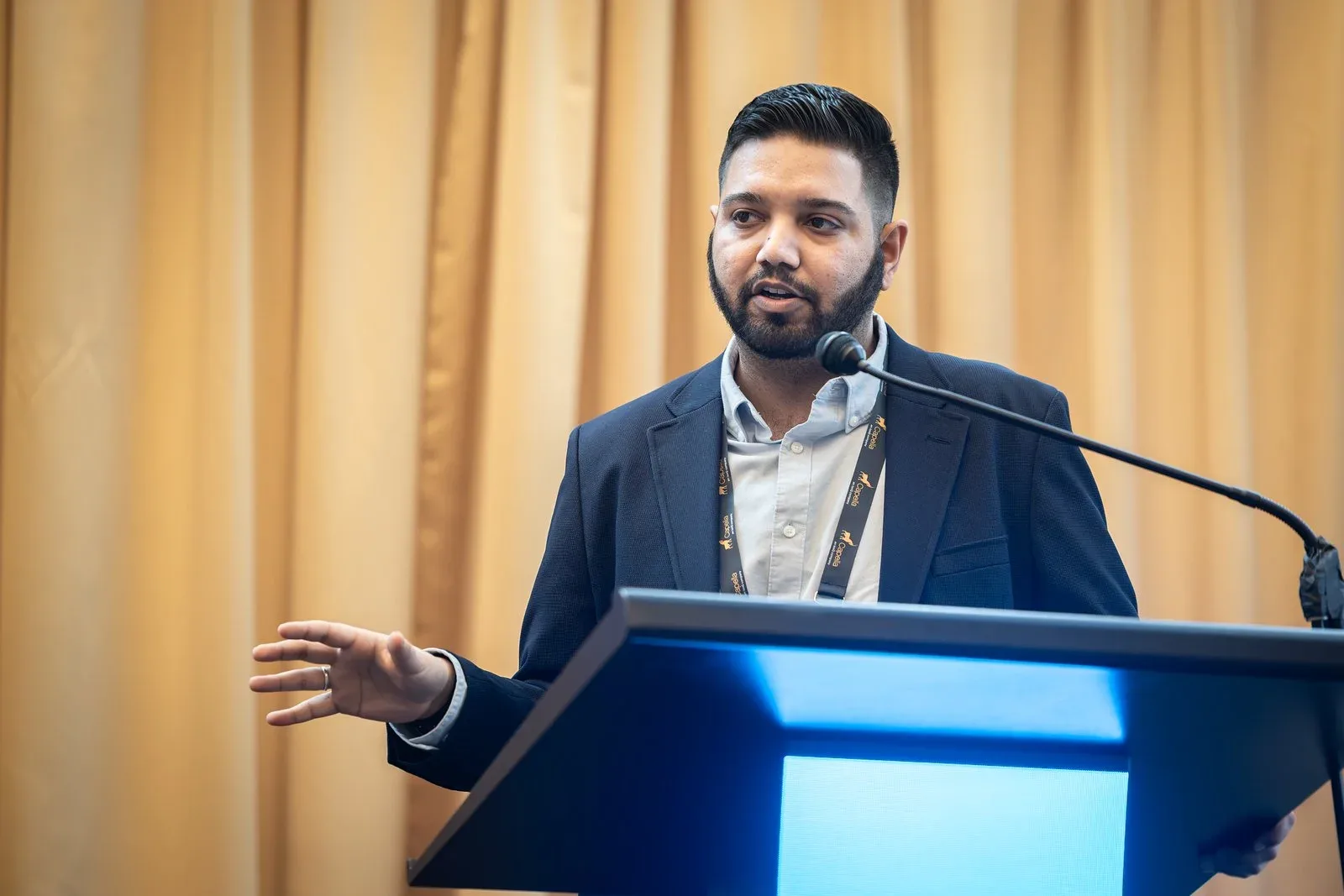
Transforming Space Missions with Next-Generation Algorithms
At spaceNEXT 2026, Abhishek Chopra of BQP explored how quantum-inspired algorithms and next-generation computing techniques could transform space missions by enabling faster, smarter data processing directly in orbit.
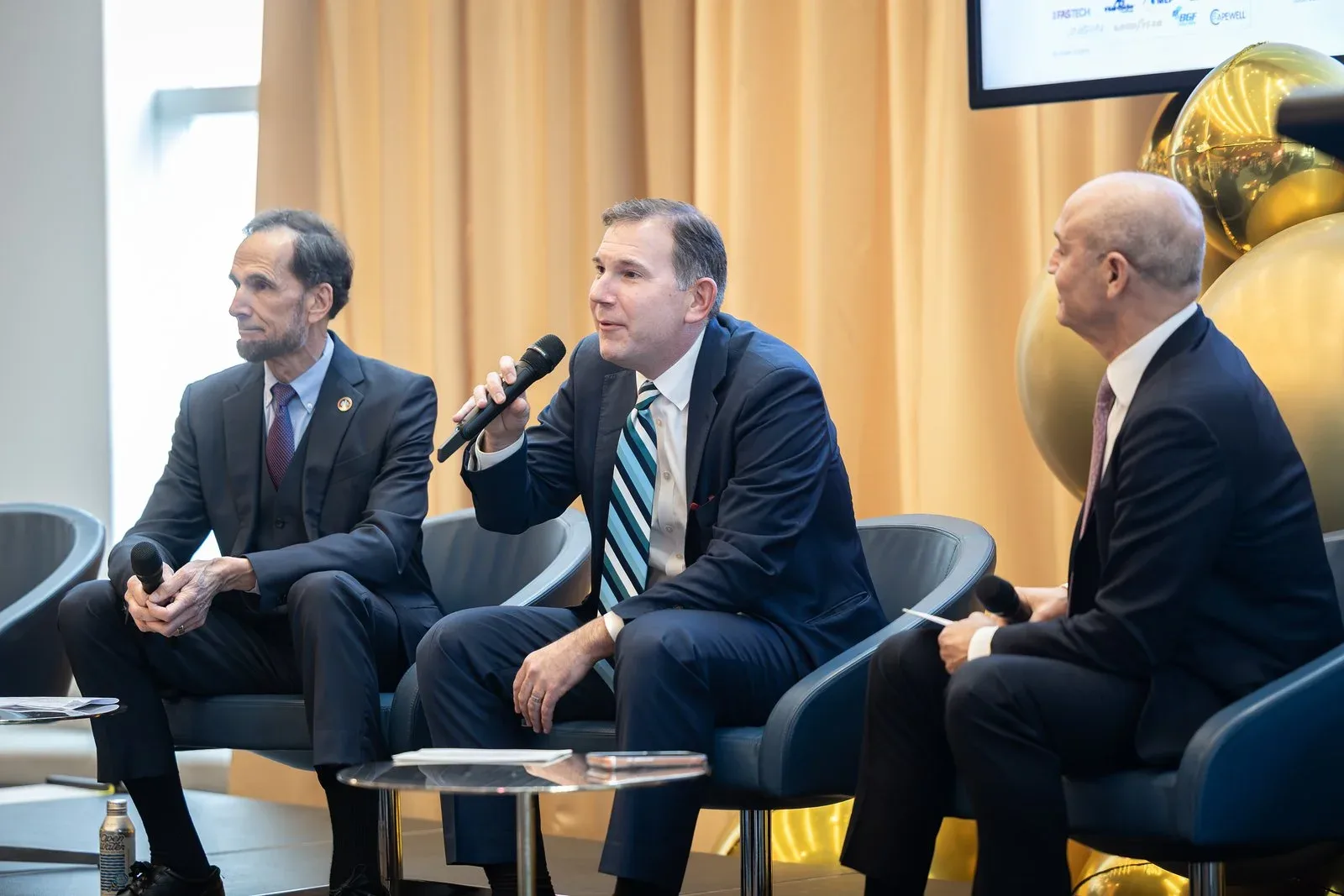
Building the Space Economy in Northern Virginia
At spaceNEXT 2026, regional leaders explored how talent, infrastructure, and collaboration are positioning Northern Virginia as a global hub for the next generation of space companies.
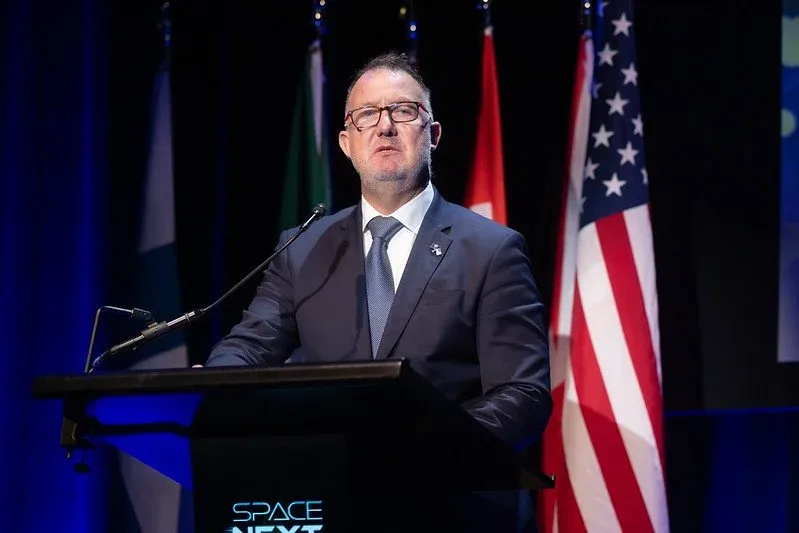
Australia’s Space Advantage: Launch, Return, and Strategic Partnership
Australia is emerging as a global launch and return hub, backed by six decades of U.S. cooperation. At spaceNEXT 2026, Paul Burfield outlined how lunar rovers, sovereign rockets, and in-space manufacturing are shaping Australia’s next chapter in the global space economy.
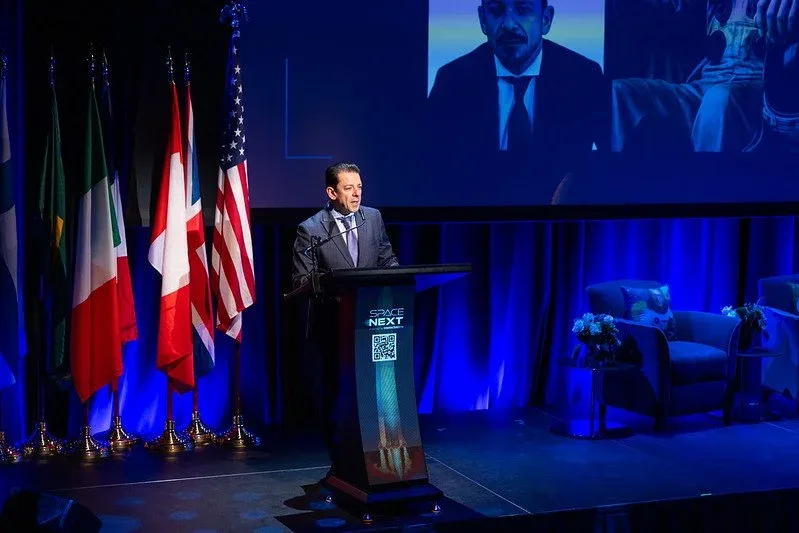
Italy’s Space Strategy: From Lunar Habitats to Mars Missions
Italy is scaling its space strategy from lunar habitation modules and Mars missions to launch infrastructure and U.S. investment. At spaceNEXT 2026, Aniello Violetti outlined how Italy is strengthening its role as a strategic transatlantic partner across the full space value chain.
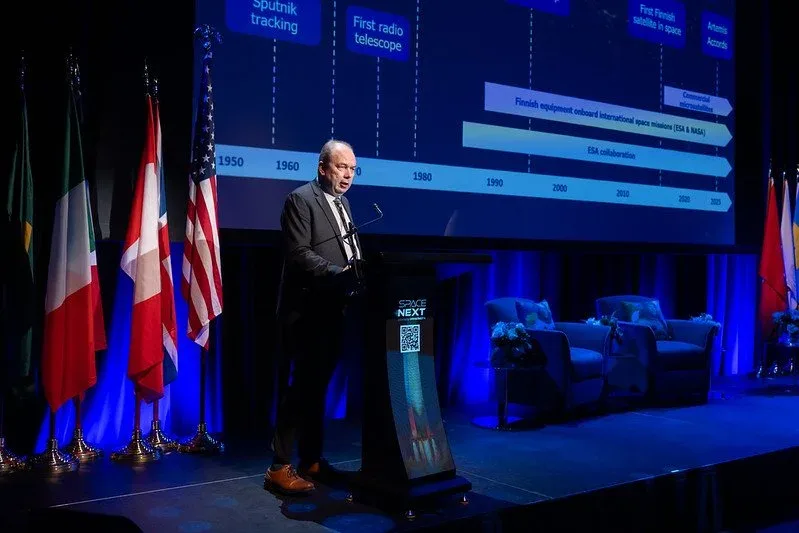
Finland’s New Space Economy: From Student Satellites to Arctic Advantage
Finland’s commercial space economy has accelerated rapidly since 2017, building on deep research expertise and Arctic advantage. At spaceNEXT 2026, Petri Koikkalainen outlined how student satellites, space weather science, and global partnerships are shaping Finland’s role in the new space economy.
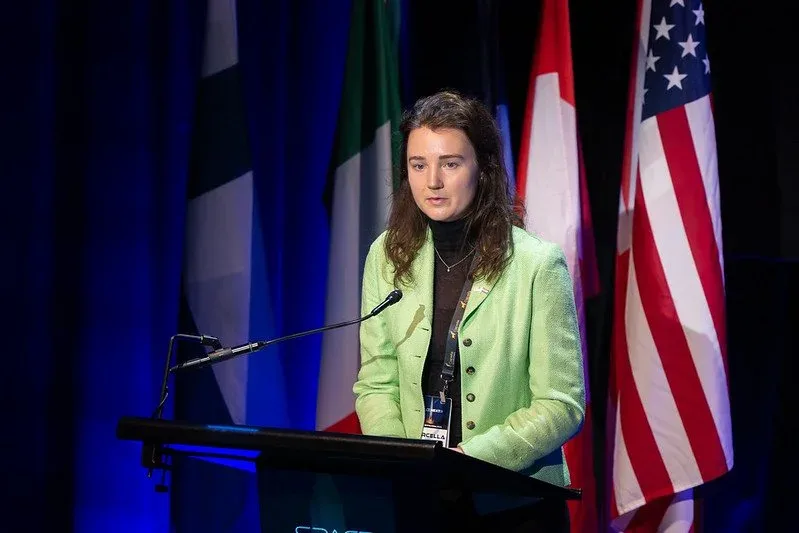
The Netherlands Scales Its Space Strategy: Precision, Partnerships, and Global Impact
The Netherlands is positioning space as a strategic pillar of innovation, climate leadership, and national security. At spaceNEXT 2026, Marcella Kneppers outlined how Dutch precision engineering, Artemis contributions, and deep U.S. partnerships are shaping the future of the global space economy.
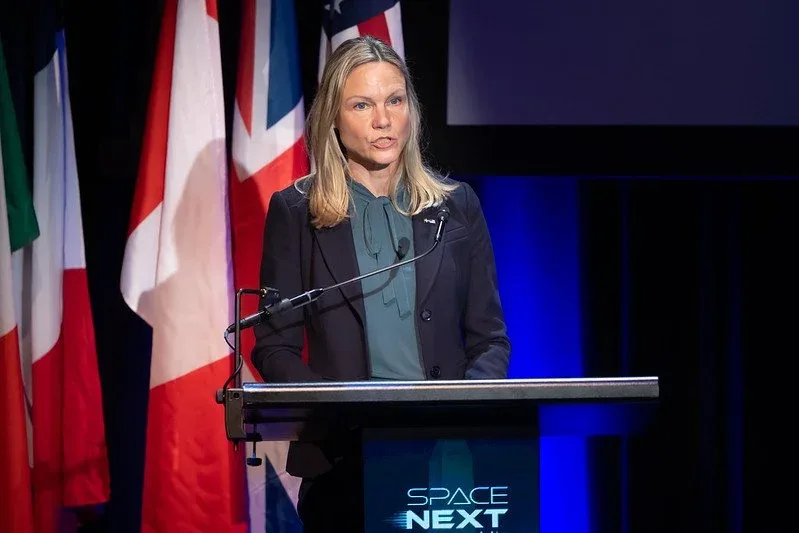
Sweden’s Space Ambitions Take Flight at spacenext 2026
Sweden is scaling its space ambitions—from national satellite programs and dual-use innovation to Arctic launch capabilities and strengthened U.S. collaboration. At spaceNEXT 2026, Maria Brogren outlined how Sweden plans to play a leading role in the next era of the global space economy.
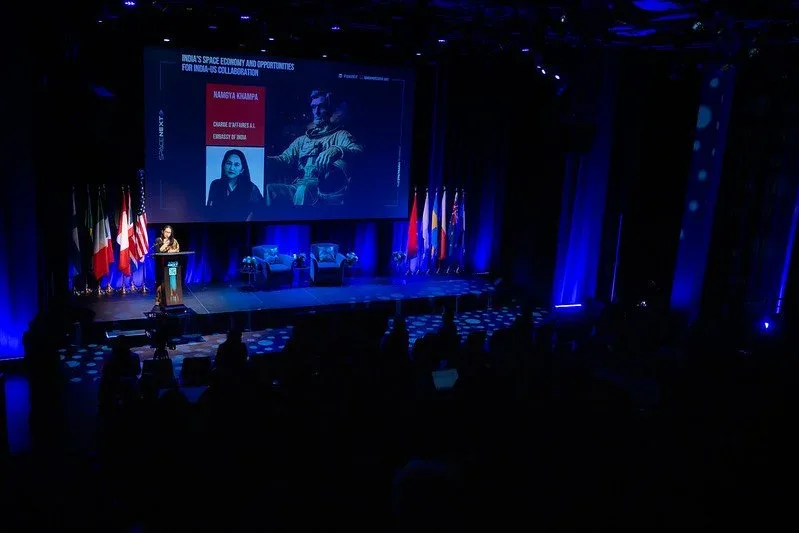
India’s Space Journey: From Bicycles to a $44B Ambition
Namgya Khampa, Chargé d’Affaires a.i. of the Embassy of India, traces India’s remarkable space journey — from a bicycle-borne rocket in 1963 to lunar south pole landings and a $44B space economy ambition — and highlights the deepening India–U.S. partnership shaping the trillion-dollar future of space.
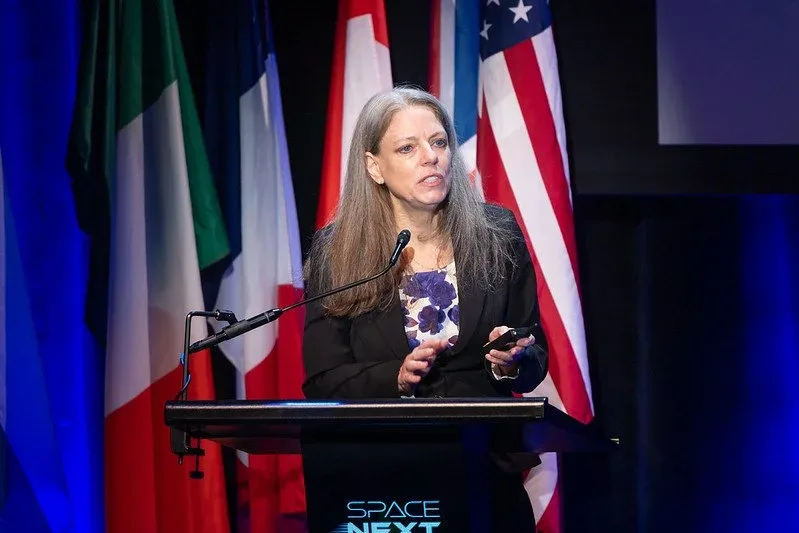
Space BioTechnology at an Inflection Point: How Microgravity is Accelerating the Future of MEdicine
At spaceNEXT 2026, Donna Roberts makes the case for space biotechnology as a transformative platform for medicine — from Alzheimer’s drug screening to personalized cancer therapies — powered by microgravity and next-generation commercial space stations.
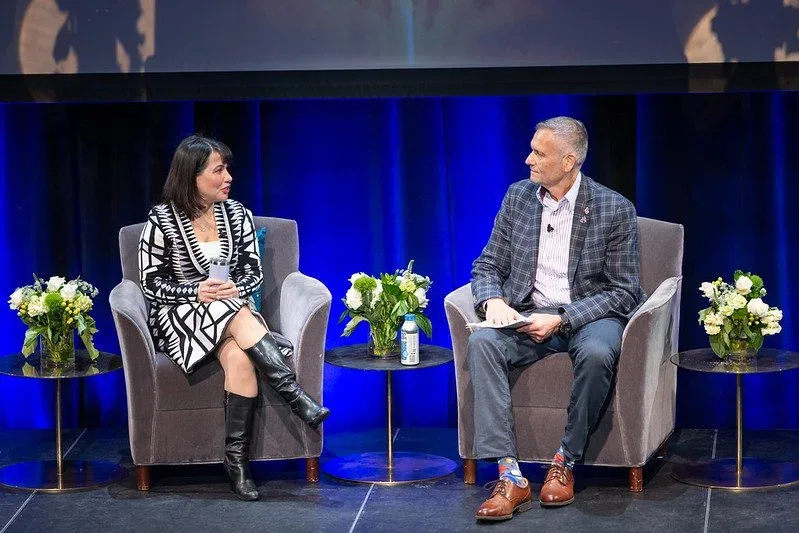
Powering the Lunar Economy: Nuclear Energy, Microgrids, and the Infrastructure of Space
Rima Oueid (DOE) and Ron Faibish (General Atomics) explore how nuclear microreactors, microgrids, and power beaming could enable scalable industrialization of the lunar economy.
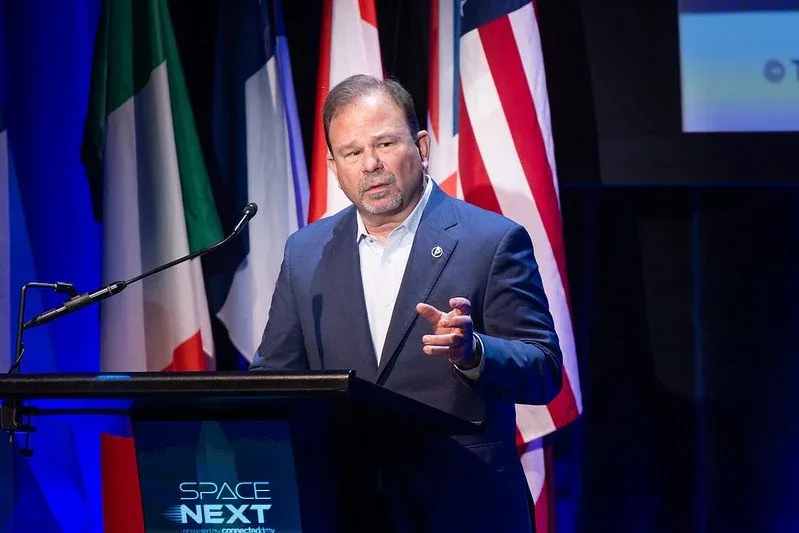
Engineering the Space Ecosystem: Ron Birk Introduces the Lunaverse at SpaceNEXT
Ron Birk, Principal Director of the Space Enterprise Evolution Directorate at The Aerospace Corporation, introduces the Lunaverse — a digital commons and industrial metaverse framework designed to coordinate infrastructure, integrate capabilities, and engineer the next phase of the lunar space ecosystem.
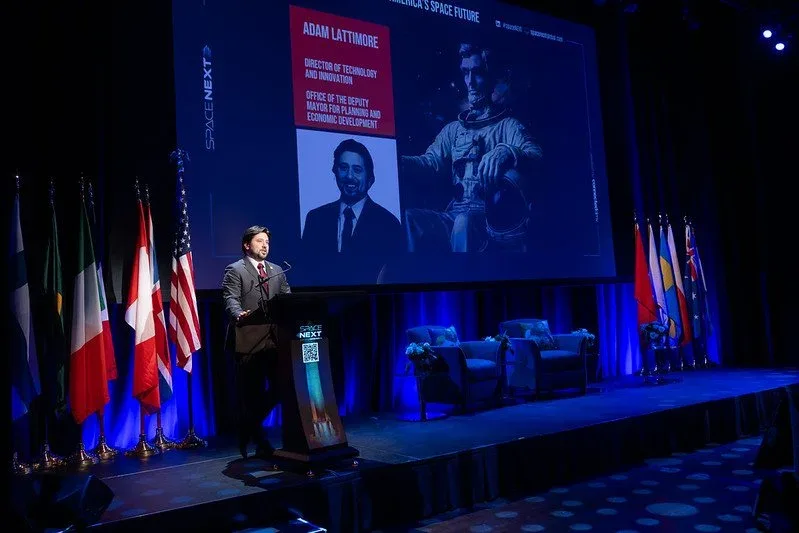
The Decision Economy Powering the Future of Space
Adam Lattimore from the Office of the Deputy Mayor for Planning and Economic Development outlines why Washington, DC — with its capital access, talent density, and proximity to policymakers — sits at the center of the global space decision economy.
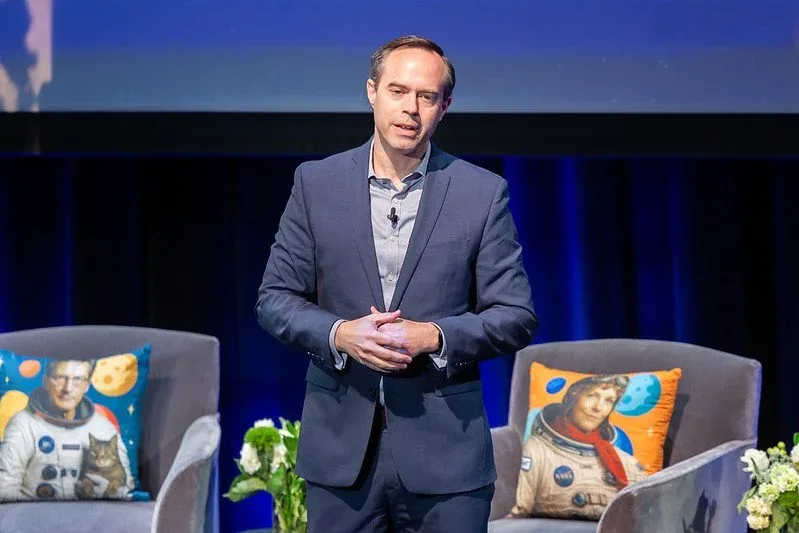
Capital, Security, and Commercial Scale Are Converging in the Space Economy
Preston Dunlap examines how falling launch costs, rising government investment, and frontier capital are converging to build tomorrow’s space enterprise — where security, infrastructure, and commercialization meet.
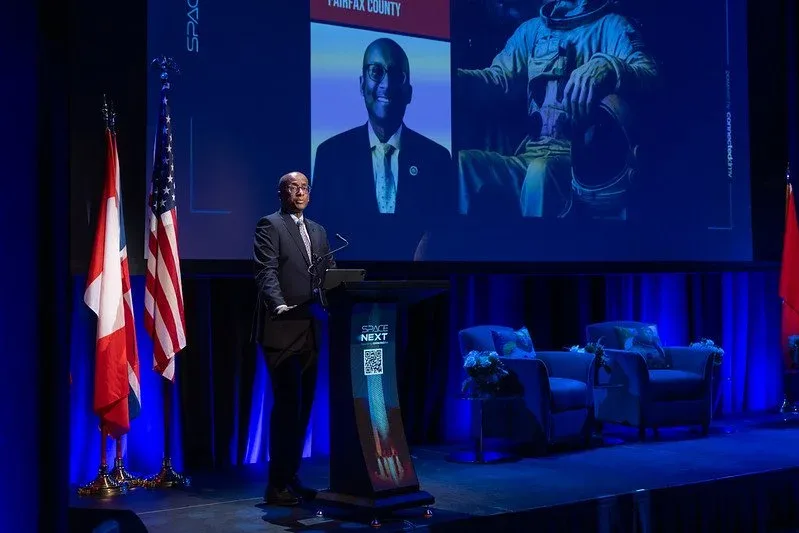
Fairfax County Signals Its Intent to Lead the New Space Economy
County Supervisor Bryan Hill makes the case at spaceNEXT 2026 that Fairfax County is intentionally aligning talent, infrastructure, and strategy to lead the next phase of the American space economy.
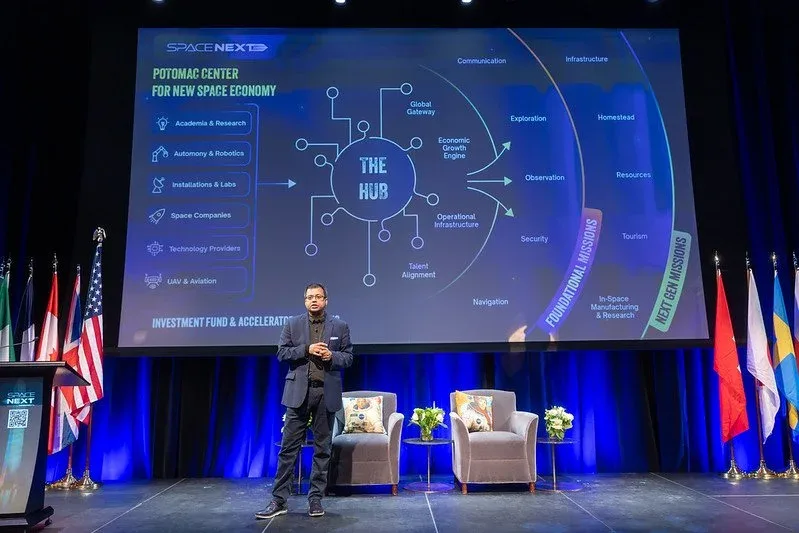
An Introduction to the Potomac Center for the New Space Economy
Connected DMV President & CEO George Thomas unveils a new regional strategy to transform one of the world’s densest concentrations of space assets into a coordinated commercialization engine.
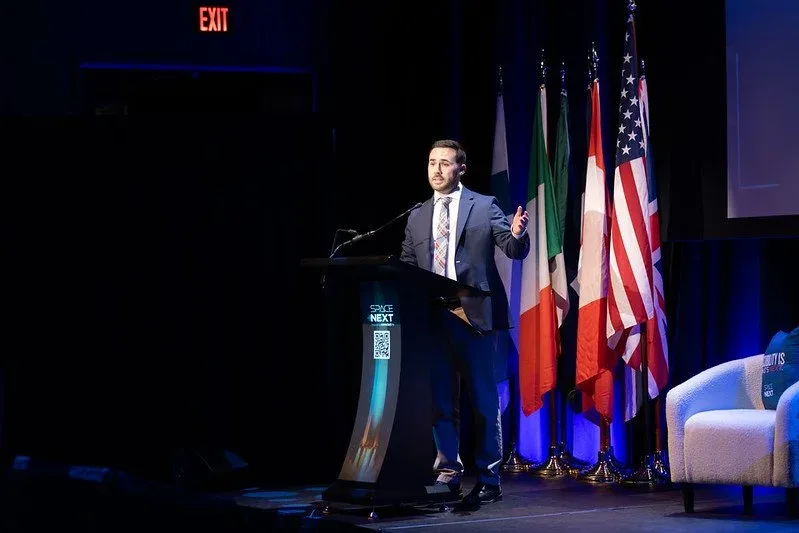
Designing for Permanence: Why the Future of Space Must Be Circular
Kyle Cybul takes the main stage at spaceNEXT 2026 to argue that the future of space operations depends on a circular economic model — one built on servicing, regeneration, and permanence rather than disposal and replacement.
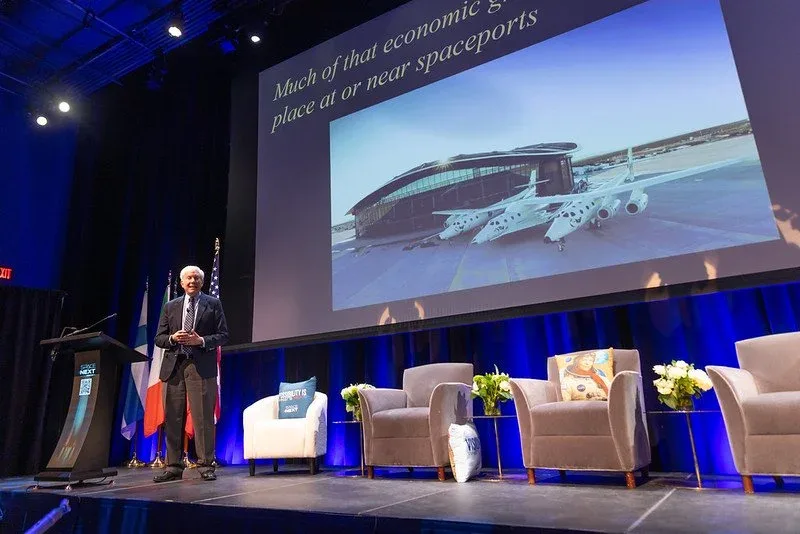
Spaceports as Economic Engines: Unlocking the $1 Trillion Space Economy
George Nield takes the main stage at spaceNEXT 2026 to argue that modern spaceports must evolve beyond launch pads — becoming economic hubs capable of supporting a trillion-dollar global space economy.
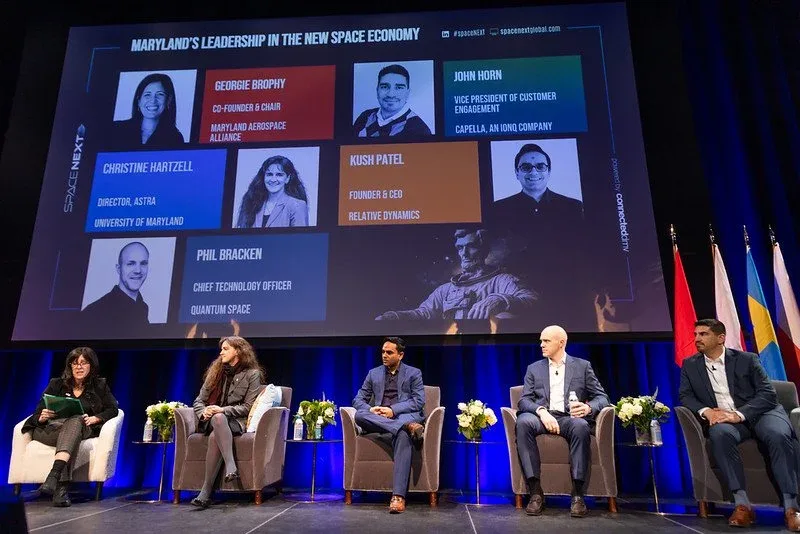
Toward a Scalable Space Economy: Infrastructure, Mobility, and Maryland’s Advantage
A candid conversation at spaceNEXT 2026 explored the infrastructure, mobility, interoperability, and talent systems powering Maryland’s leadership in the new space economy — and what it will take to scale beyond LEO.
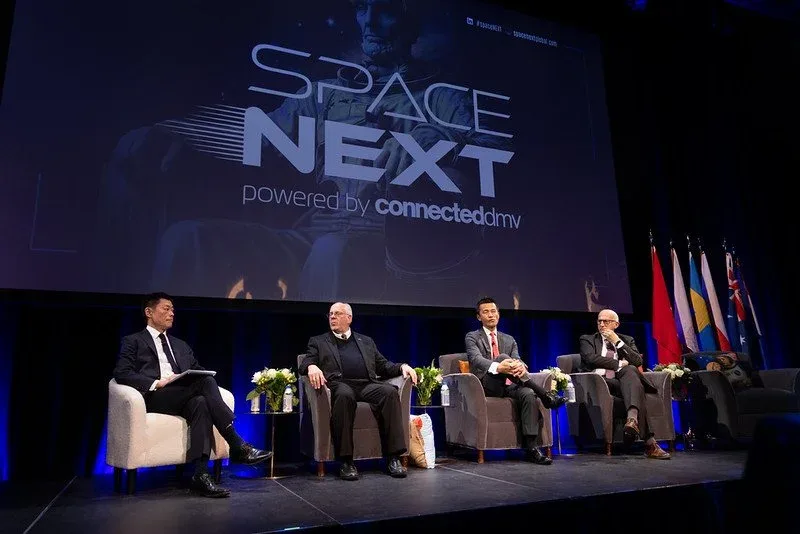
Toward Sustainable Lunar Exploration: Building the Infrastructure for a Lasting Presence Beyond Earth
From Artemis momentum to Moonlight and commercial lunar networks, this session examines how international cooperation—and interoperable systems—can turn lunar exploration into a durable, scalable economy.
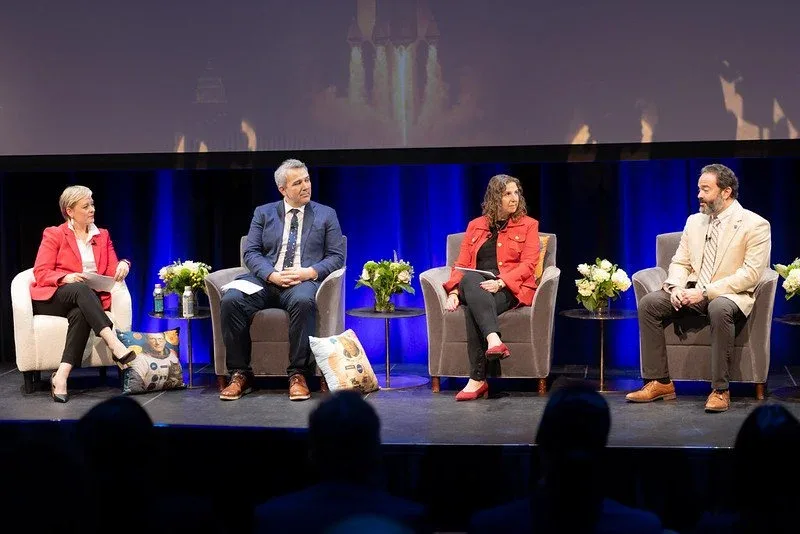
Building the On-Orbit Highways: Logistics, Data, and the Infrastructure Powering the Next Space Economy
Anna Nissinen (Fairfax County EDA), Dave Hebert (Astroscale U.S.), Paula Trimble (Muon Space), and Giovanni Rosanova (NASA Wallops) explored how logistics, low-latency data, and public-private partnerships are building the on-orbit infrastructure powering the next space economy.
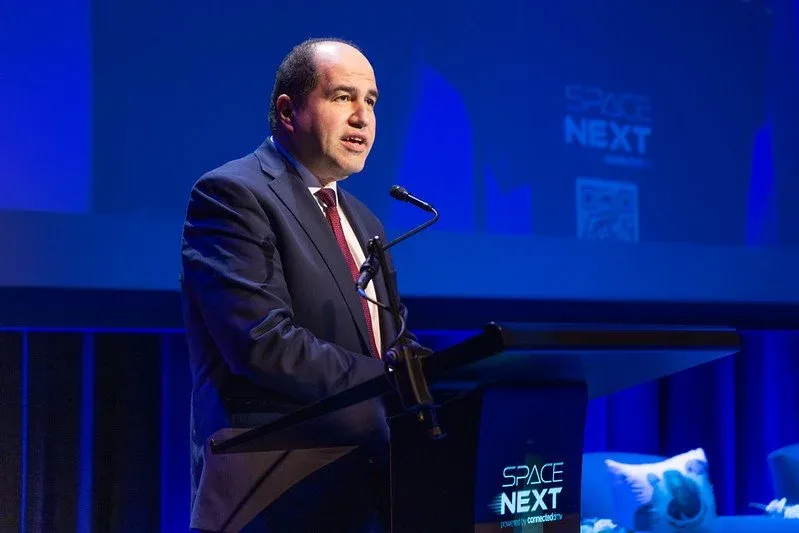
Building the Space Research Ecosystem: Why Institutional Alignment Will Define America’s Next Space Era
USRA’s Elsayed Talaat argues that America’s space leadership depends not on episodic missions, but on a durable research ecosystem built on federal investment, university depth, regulatory clarity, and sustained institutional alignment.
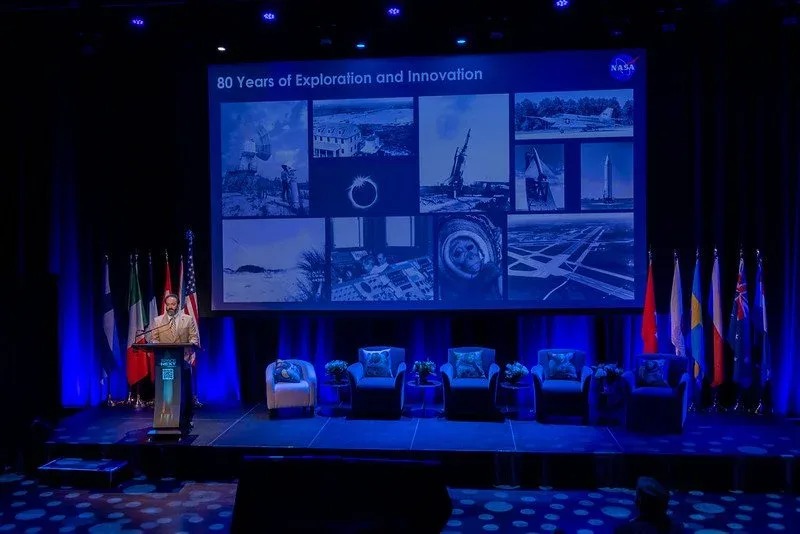
NASA Wallops and the Mid-Atlantic Spaceport: Powering the Next Phase of America’s Launch Economy
Giovanni Rosanova, Jr. outlines how NASA’s Wallops Flight Facility and the Mid-Atlantic Regional Spaceport are scaling commercial launch, hypersonics testing, and cis-lunar capability from Virginia’s Eastern Shore.
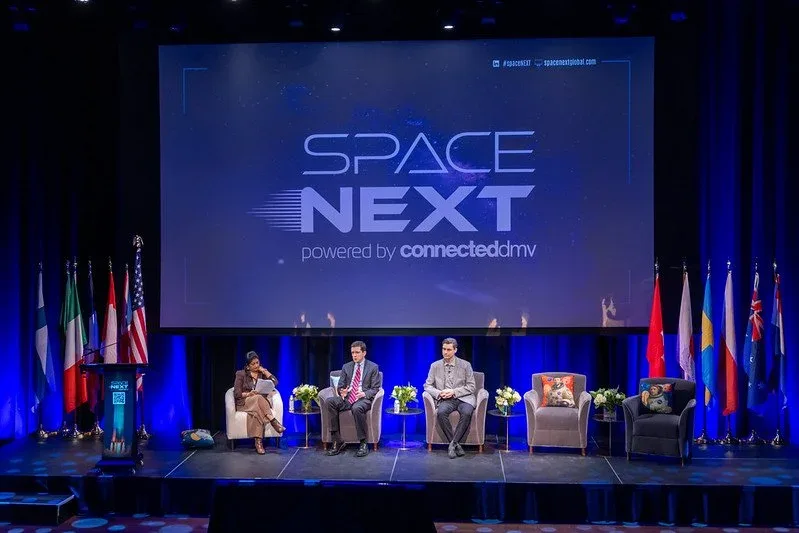
Who Owns the Moon? Lawyers, Investors, and the Rules Shaping the Commercial Space Economy
Pallabi Saboo, Paul Stimers, and Ryan Kelley unpacked property rights, regulatory bottlenecks, investor risk, and the evolving legal frameworks shaping the commercial space economy at spaceNEXT 2026.
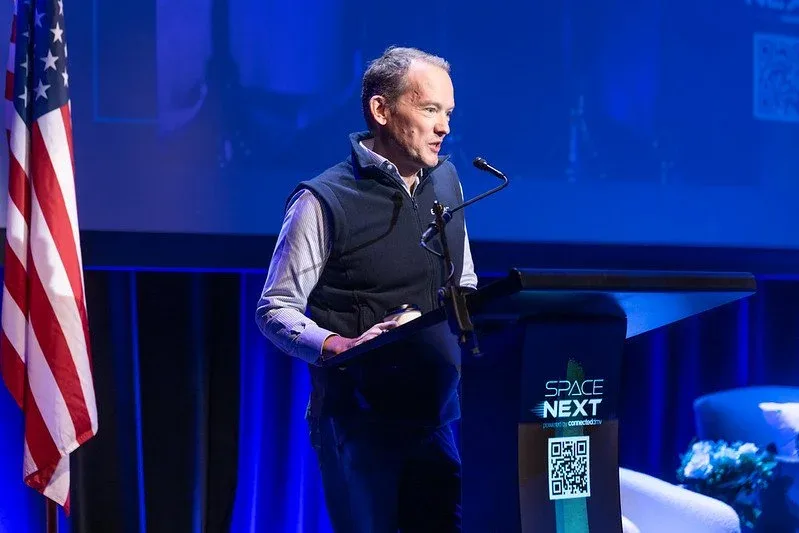
Capital, Commerce, and the Case for Space as a Serious Asset Class
E2MC’s Raphael Roettgen outlines what it will take to transform space from a niche sector into a broadly investable, significant global asset class.
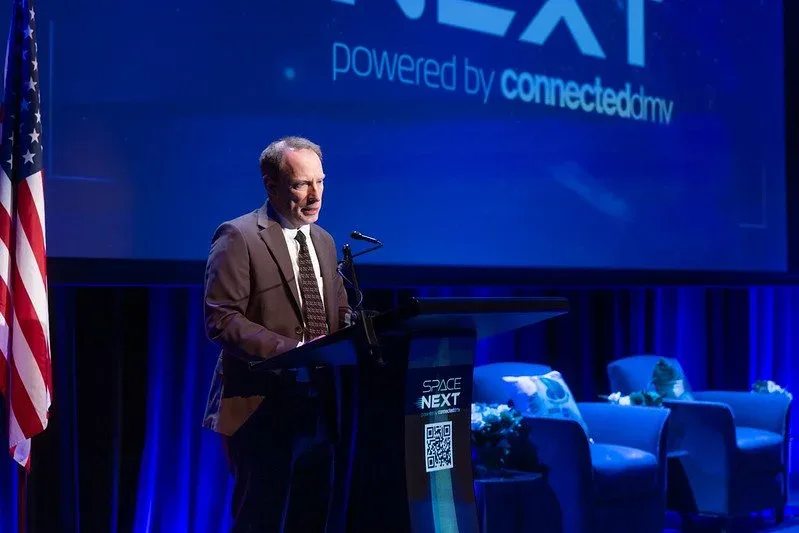
Ensuring American Space Superiority: A Four-Pillar Strategy for Exploration, Security, and Commercial Growth
At spaceNEXT 2026, the White House Office of Science & Technology Policy details a bold framework to secure U.S. leadership in space for the next century.
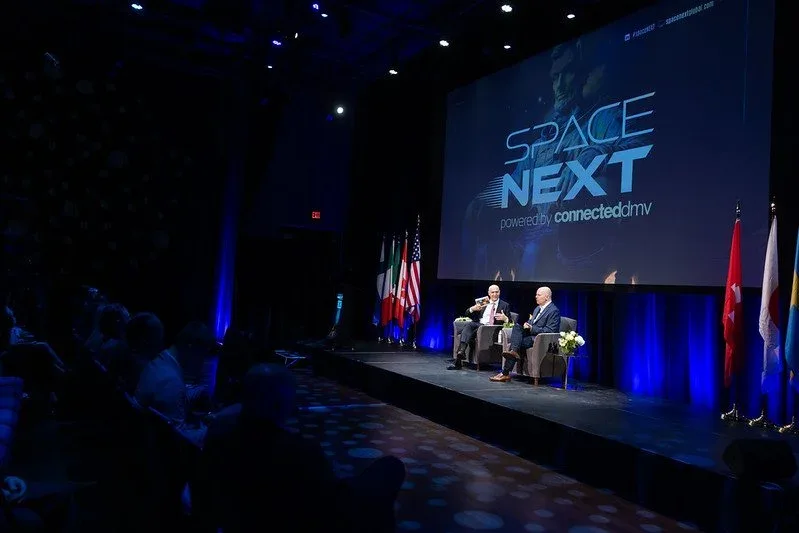
From Orbit to Opportunity: How Fairfax County and a Former NASA Astronaut See the Space Economy Taking Root on Earth
From launch risk to laser communications, this main stage conversation with Victor Hoskins and Paul Richards reveals what it takes to build the space economy — and why the opportunity starts here.
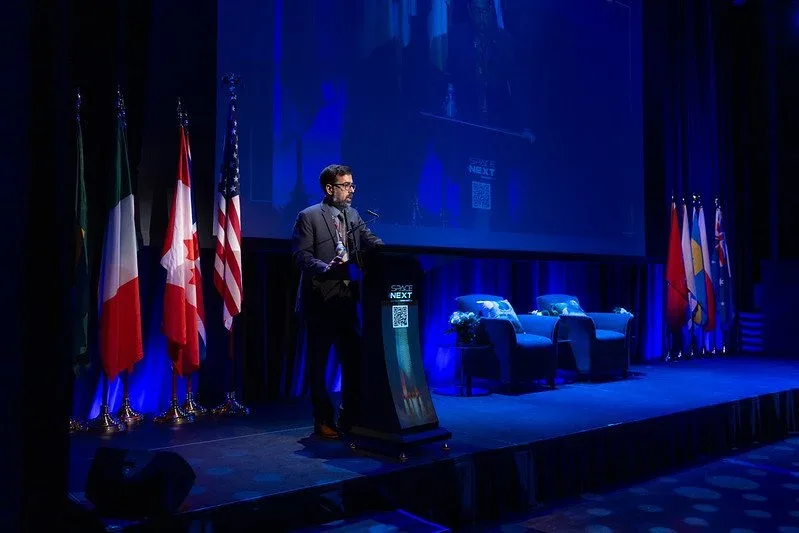
NASA’s Artemis Moment: Building the Infrastructure for the Next Space Economy
As Artemis II systems were being tested at Kennedy Space Center, NASA Associate Administrator Amit Kshatriya told spaceNEXT why Artemis is more than a mission — it’s the infrastructure that will enable the next era of commercial and allied space exploration.
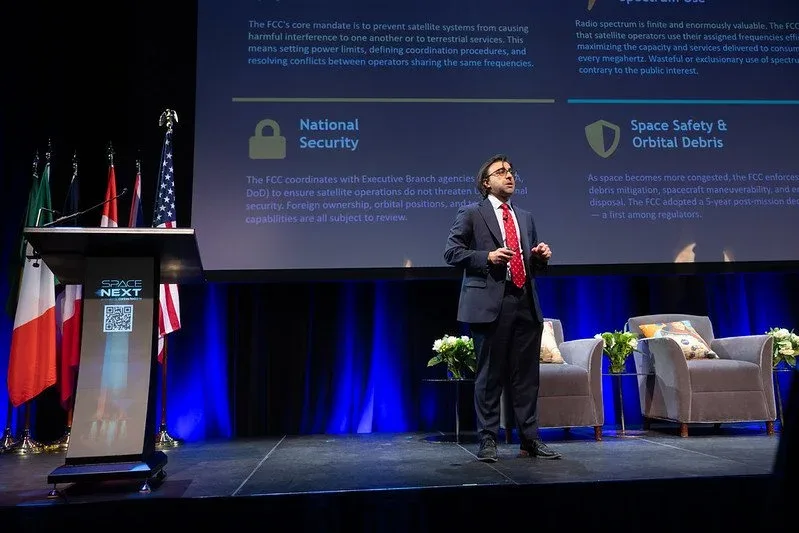
The Rules That Power Orbit: Arpan Sura Outlines the FCC’s Space Modernization Agenda
Arpan Sura of the FCC outlined a sweeping modernization of U.S. satellite licensing — from clearing backlogs to unlocking 20,000 MHz of new spectrum — arguing that regulatory efficiency is now a strategic advantage in the global space race.
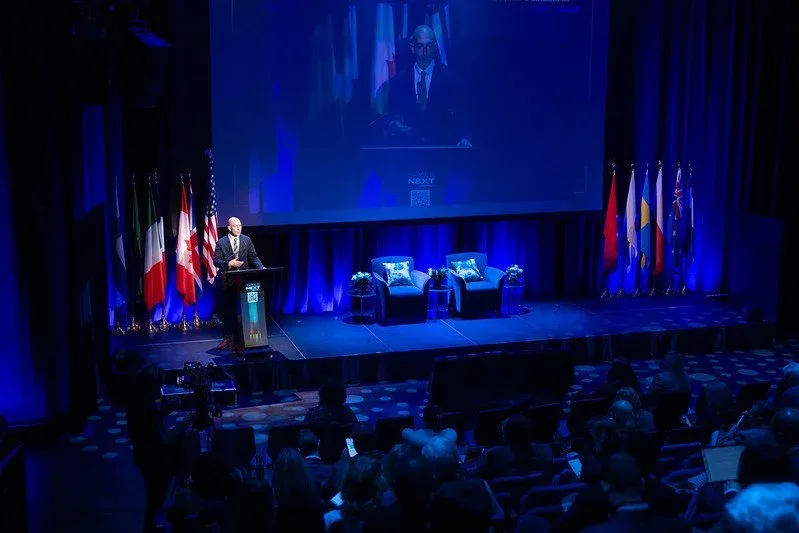
Clearing the Path to Orbit: How the U.S. Plans to Unlock the Next Era of Commercial Space
Gabriel Swiney of the U.S. Office of Space Commerce outlined a proposed light-touch certification framework to close America’s “mission authorization” gap — a critical step toward unlocking next-generation commercial space activities and sustaining U.S. leadership in the new space economy.
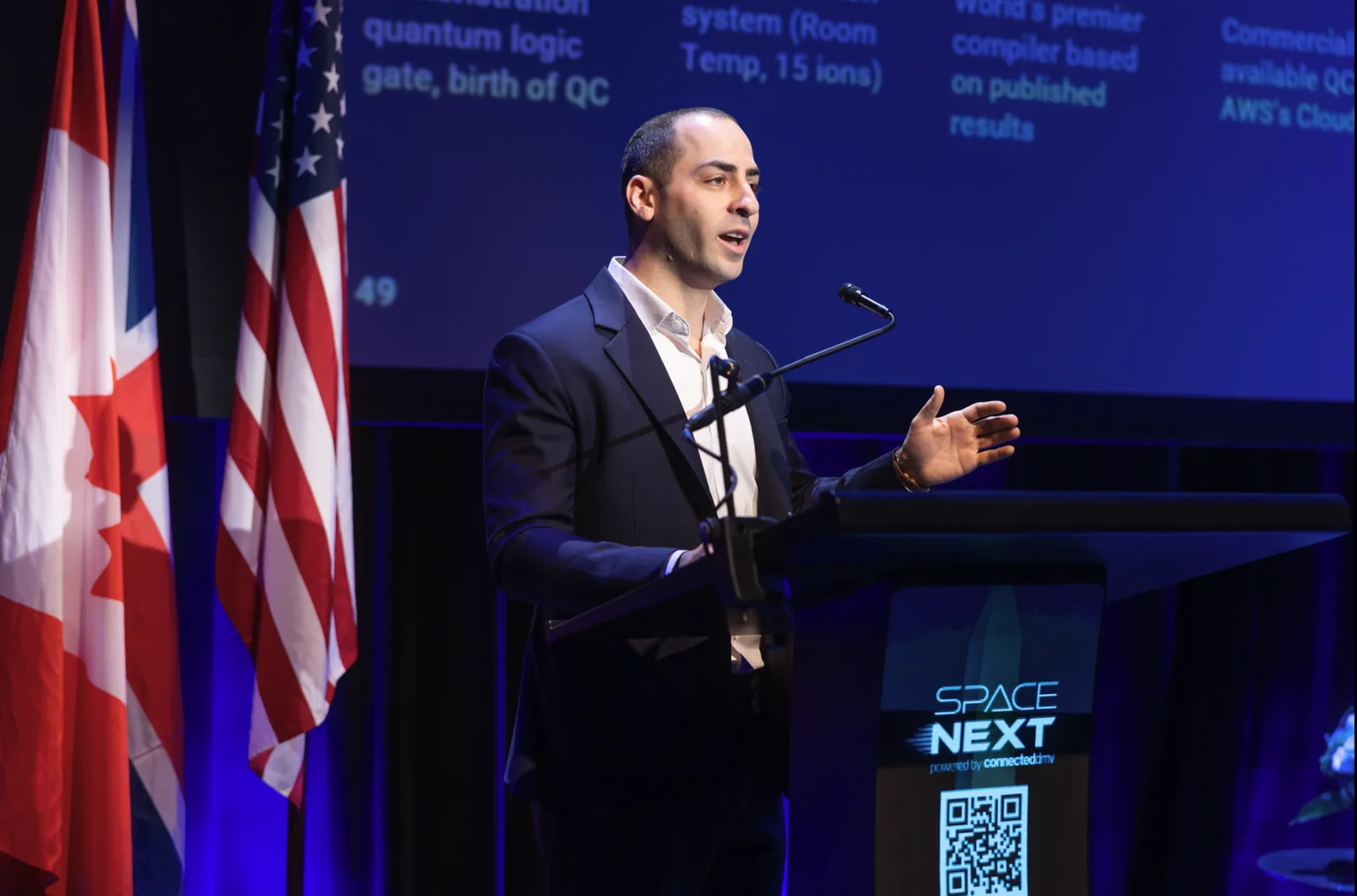
From Ground to Orbit: IonQ Outlines a Full-Stack Quantum Future at spaceNEXT 2026
Jordan Shapiro of IonQ outlined how the company — alongside Pioneer Sponsor Capella Space — is building a full-stack quantum platform spanning compute, networking, security, sensing, and space infrastructure. From optical clocks to quantum-secure satellite relays, IonQ’s vision connects ground networks to orbit in pursuit of commercial quantum advantage.
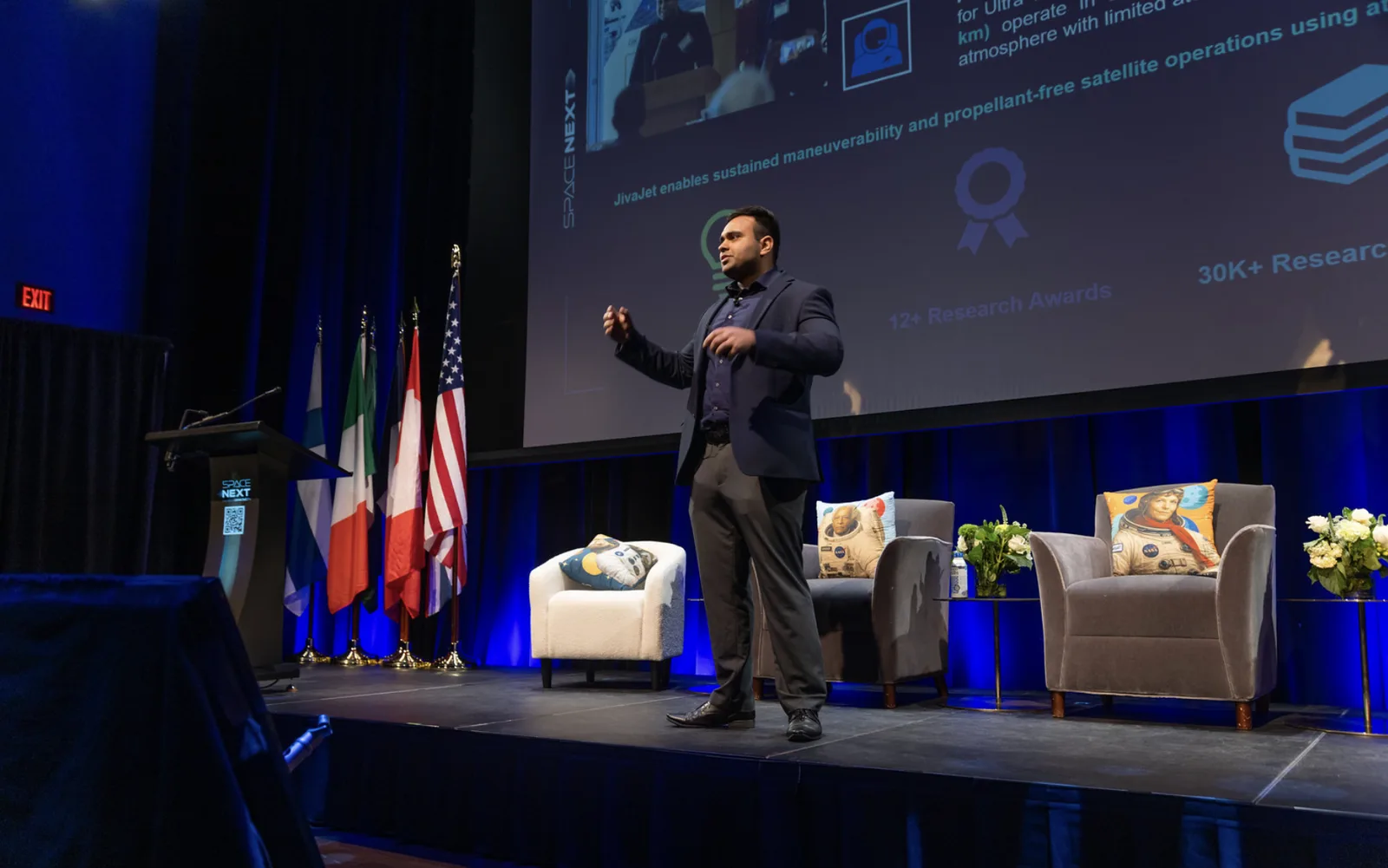
JivaJet Introduces Air-Breathing Plasma Propulsion to Unlock Ultra VLEO at spaceNEXT 2026
At spaceNEXT 2026, JivaJet CTO Dr. Anmol Taploo introduced a breakthrough air-breathing plasma thruster designed to unlock Ultra Very Low Earth Orbit (80–150 km). By using atmospheric air as propellant, JivaJet aims to reduce launch costs, eliminate debris risk, and enable adaptive VLEO platforms for ISR, IoT, and edge AI.
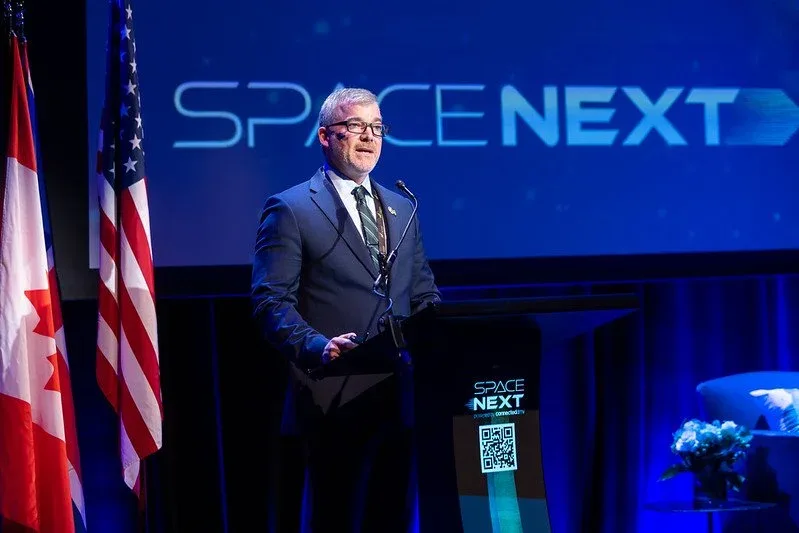
George Mason University Calls for Ecosystem-Driven Innovation at spaceNEXT 2026
At spaceNEXT 2026, George Mason University Dean Cody Edwards outlined why the next era of space commerce will be defined not by rockets alone, but by talent mobilization, integrated research, and ecosystem-driven collaboration. Positioned at the intersection of policy, technology, and mission execution, Mason is building the academic foundation for the new space economy.

Stay in the loop
Stay in the Loop
Sign up for spaceNEXT season updates, including event news and announcements.